39 Mexican Home Decor Ideas for a Warm, Colorful, Handcrafted Home
Mexican home decor is warm, colorful, and unmistakably handcrafted. Think sun-baked terracotta, hand-painted Talavera tiles, woven textiles in bold stripes, and carved wood that tells a story. It is a style shaped by centuries of craft, family gatherings, and a love of color that never apologizes for being joyful.
In this guide, you will find 39 Mexican home decor ideas you can use in a living room, kitchen, bedroom, patio, or entryway. Mix one bold statement piece with a few smaller accents, and you will get a home that feels collected rather than decorated. Each idea below is practical, budget-friendly in spirit, and easy to adapt to a modern, rustic, or bohemian home.
39 Mexican Home Decor Ideas
1. Talavera Tile Backsplash
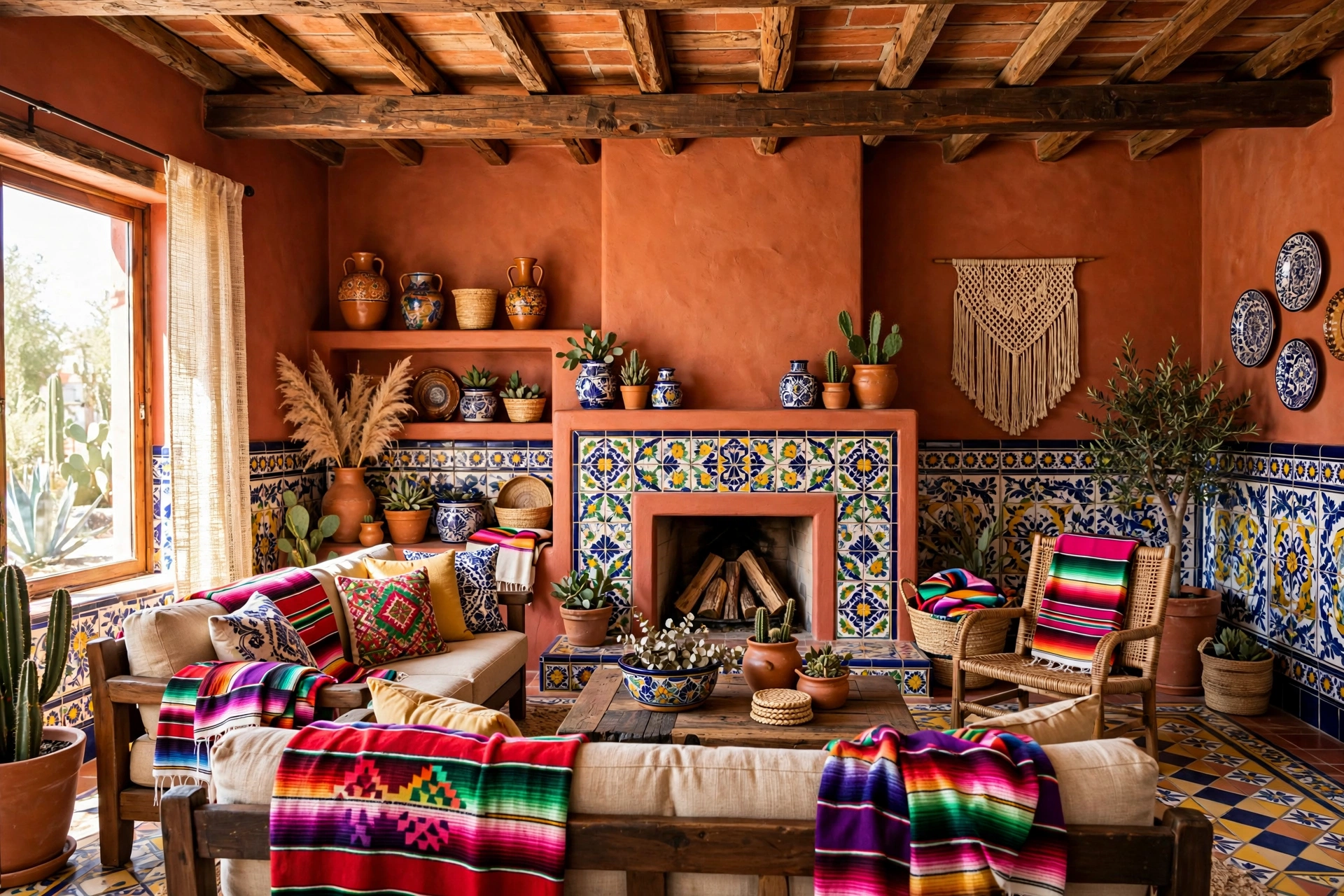
A Talavera tile backsplash is the fastest way to bring Mexican color into a kitchen. Hand-painted in cobalt, yellow, green, and terracotta, these tiles turn a plain cooking wall into a piece of folk art. You do not need to tile an entire wall to get the effect. A focused band behind the stove, a framed panel above the sink, or a border around plain white tiles can all work beautifully. Because each tile is painted by hand, small variations in color and pattern are part of the charm, so embrace the imperfections rather than fighting them. Pair a busy Talavera pattern with simple cabinets and warm wood, and let the tiles be the star. If you want a calmer look, choose one repeated motif in two colors instead of a mixed patchwork. Either way, the result feels sunny, artisanal, and full of life.
2. Saltillo Tile Floors
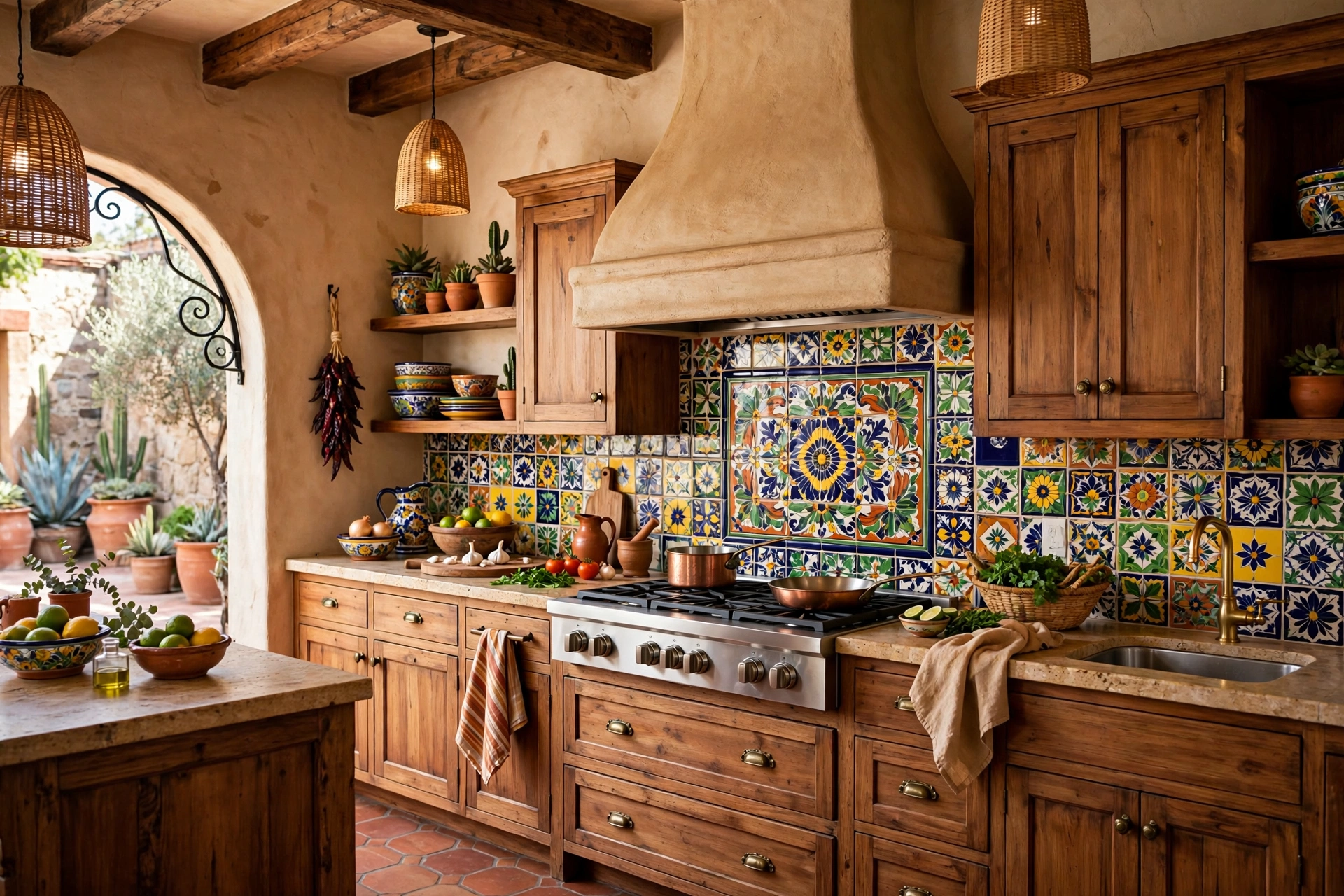
Saltillo tiles are handmade terracotta floor tiles from Mexico, and they instantly warm up a room. Their rustic texture, soft color variation, and slightly uneven surface make a floor feel lived-in and welcoming. They work especially well in kitchens, entryways, sunrooms, and patios, where their earthy tone pairs naturally with wood, iron, and woven fibers. A sealed Saltillo floor is durable and easy to maintain, and it ages gracefully with a rich patina. If you are not ready for a full floor, try Saltillo in a small space such as a mudroom, laundry room, or covered porch. Layer it with a colorful rug, a wooden bench, and a few clay pots, and the space will feel like a hacienda courtyard, even in a modern home.
3. Terracotta and Limewash Walls
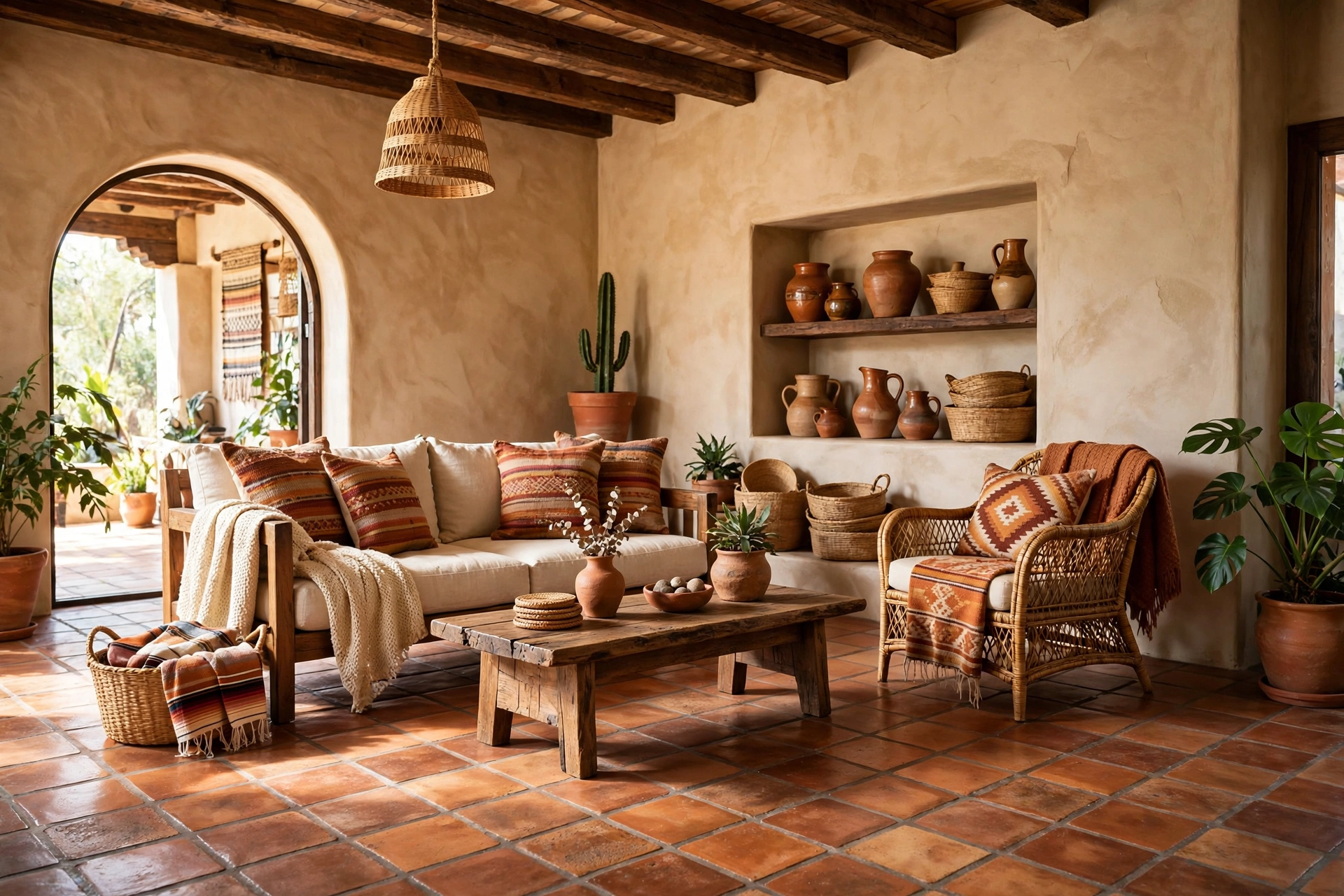
Wall color sets the mood for Mexican decor, and terracotta and limewash are two of the most authentic choices. A terracotta accent wall adds instant warmth without feeling dark, especially when paired with white trim, natural wood, and green plants. Limewash, with its soft, chalky texture, gives walls depth and movement, making even a small room feel sunlit and organic. You can use one terracotta wall as a focal point behind a sofa or bed, then keep the other walls warm white to balance the color. For a more immersive look, try limewash in a warm sand or clay tone throughout a room, then add colorful textiles and art on top. Both finishes feel handmade and timeless, which is exactly what Mexican style is about.
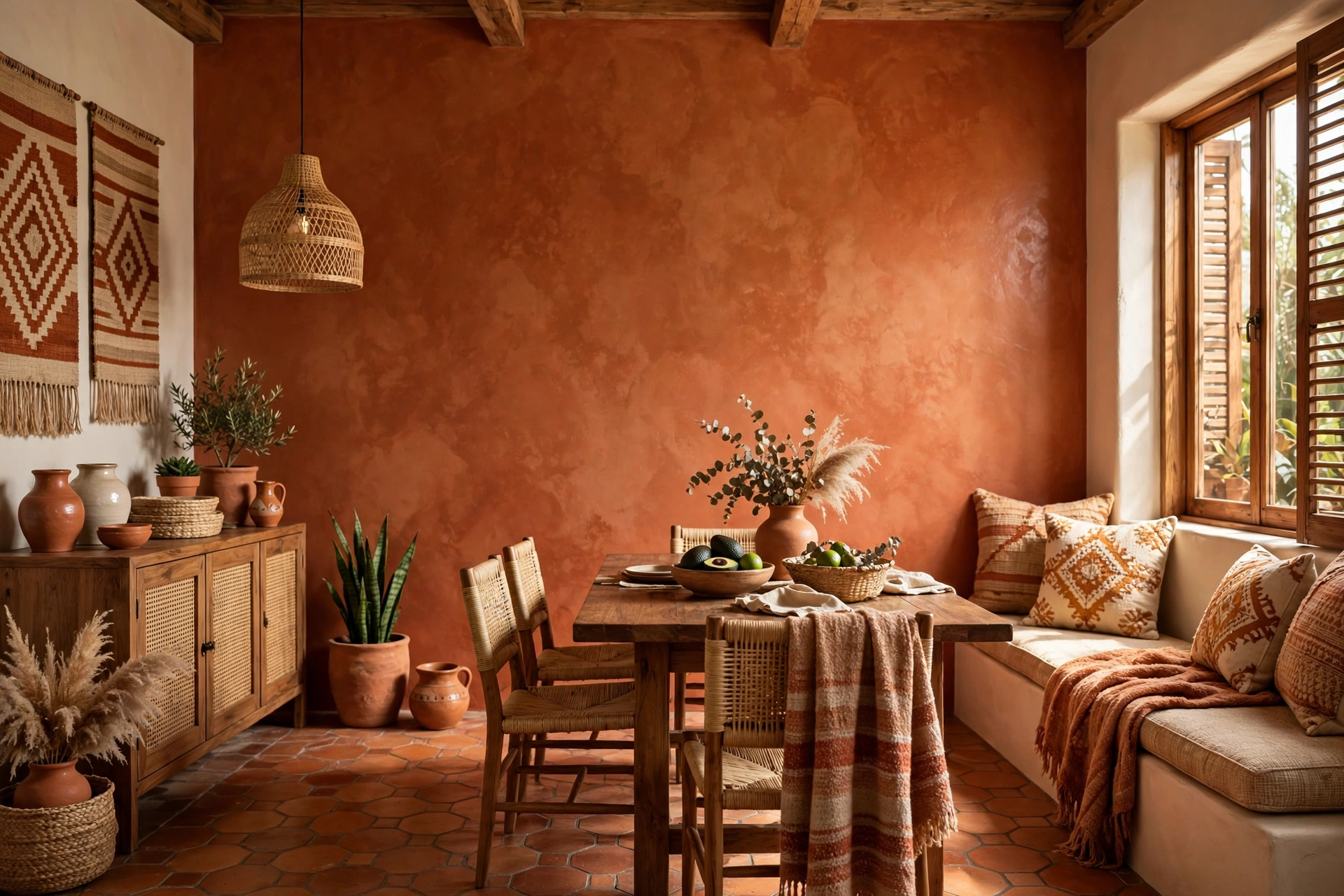
4. Exposed Wood Vigas
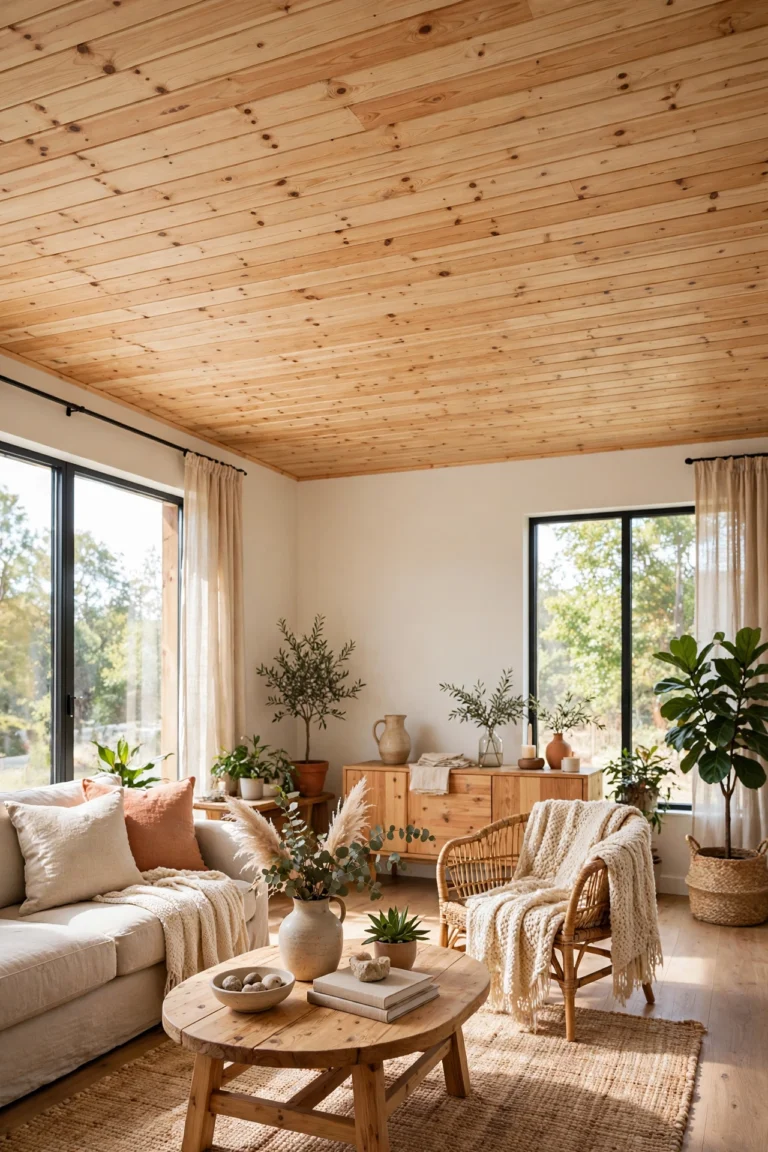
Exposed wood vigas, the round or squared beams used in traditional Mexican and Southwestern ceilings, add architecture and warmth in one move. Even if you cannot install real structural beams, decorative wood beams can create the same hacienda feeling. Dark, rough-hewn wood looks striking against white or terracotta walls, while lighter, sanded wood feels more relaxed and coastal. Vigas work best when the rest of the room stays simple, so the ceiling becomes a natural focal point. Pair them with a wrought iron chandelier, a woven rug, and warm lighting, and the room will feel grounded and inviting. If your ceiling is low, choose slimmer beams and keep the wood tone close to your furniture to avoid making the room feel heavy.
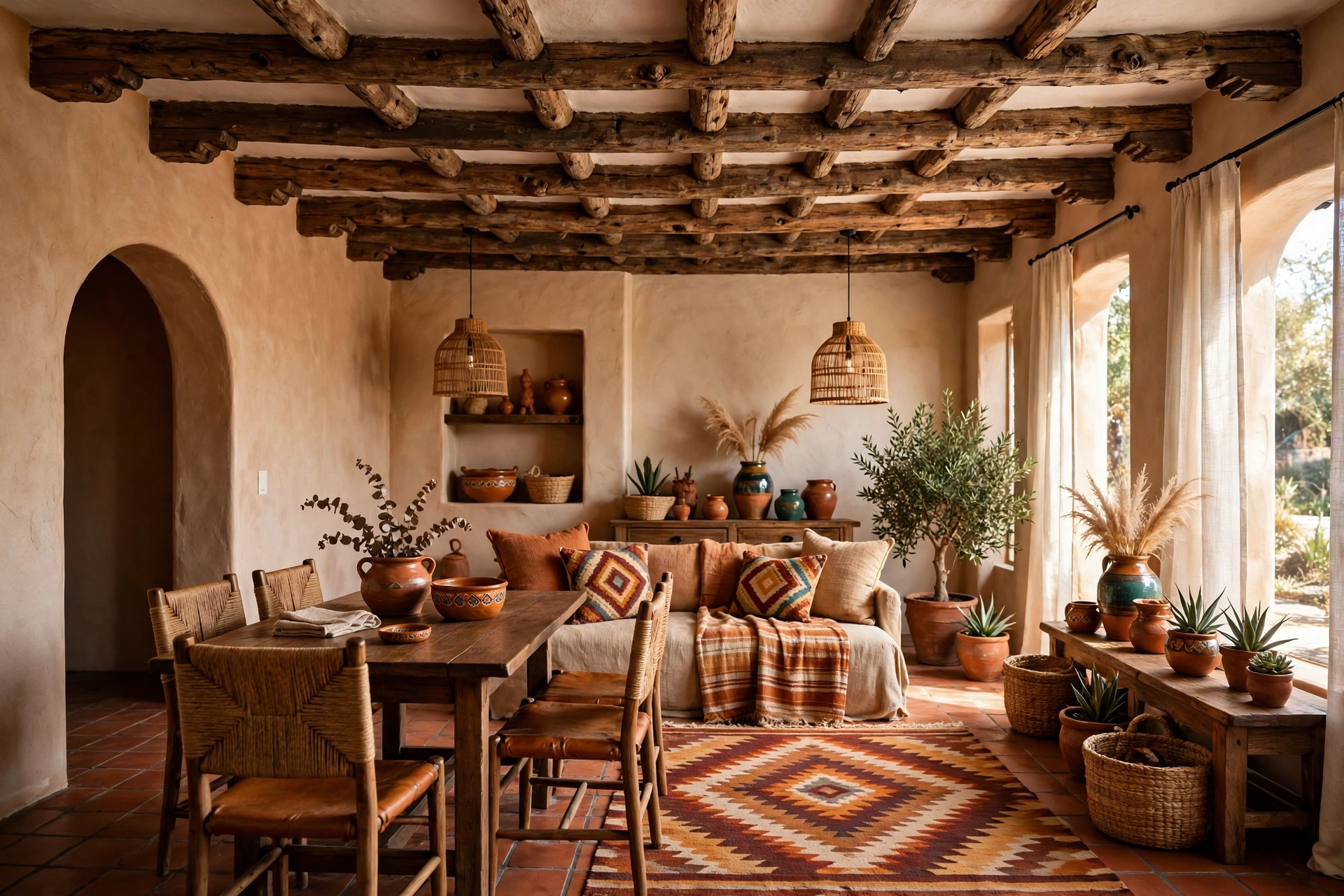
5. Mesquite Dining Table
A mesquite dining table is a true centerpiece for a Mexican-inspired home. Mesquite is a dense, beautiful hardwood with rich grain and warm tones, and it is often crafted into thick, live-edge or rustic tables that invite long meals and conversation. A mesquite table pairs beautifully with simple chairs, colorful placemats, Talavera plates, and a woven runner. If a solid mesquite table is out of budget, look for a reclaimed wood table with a similar warm tone and sturdy, handcrafted feel. Keep the table styling simple so the wood can shine: a clay vase, a bowl of limes, or a few candles is enough. This is furniture meant to be used daily, not just admired, and it only gets better with age.
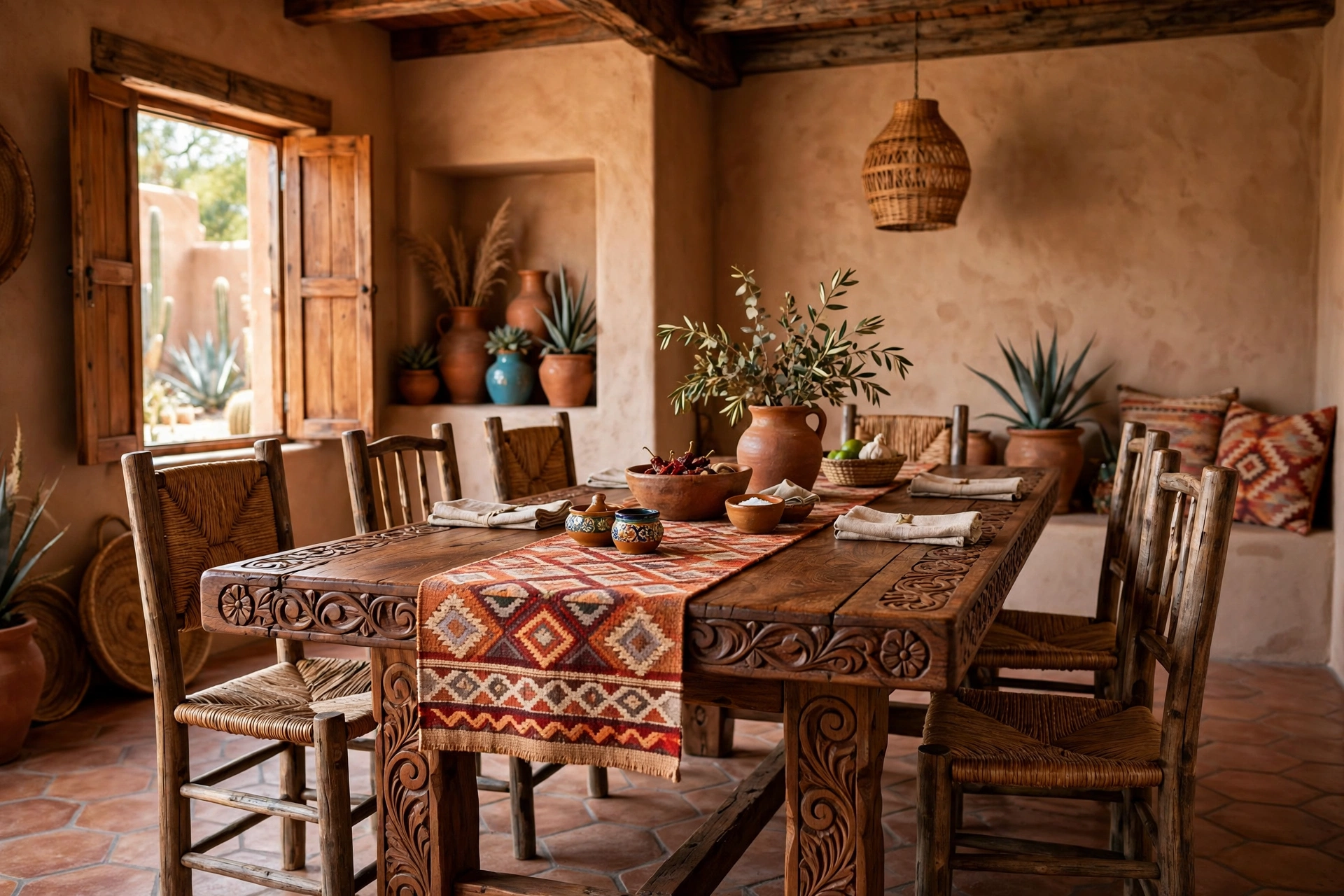
6. Equipale Chairs
Equipale chairs are a classic Mexican furniture style, traditionally made from tanned pigskin stretched over a cedar frame. They are low, comfortable, and beautifully rustic, with a look that works in living rooms, bedrooms, and reading corners. Modern versions use leather or faux leather, but the shape remains the same: a relaxed, barrel-like seat that invites you to sit and stay awhile. Pair one or two equipale chairs with a wooden coffee table, a woven rug, and a few colorful pillows, and you have an instant conversation area. They also work well on a covered patio, where their natural materials blend with plants and terracotta. Choose a natural tan for a neutral look, or a darker brown for a richer, more dramatic feel.
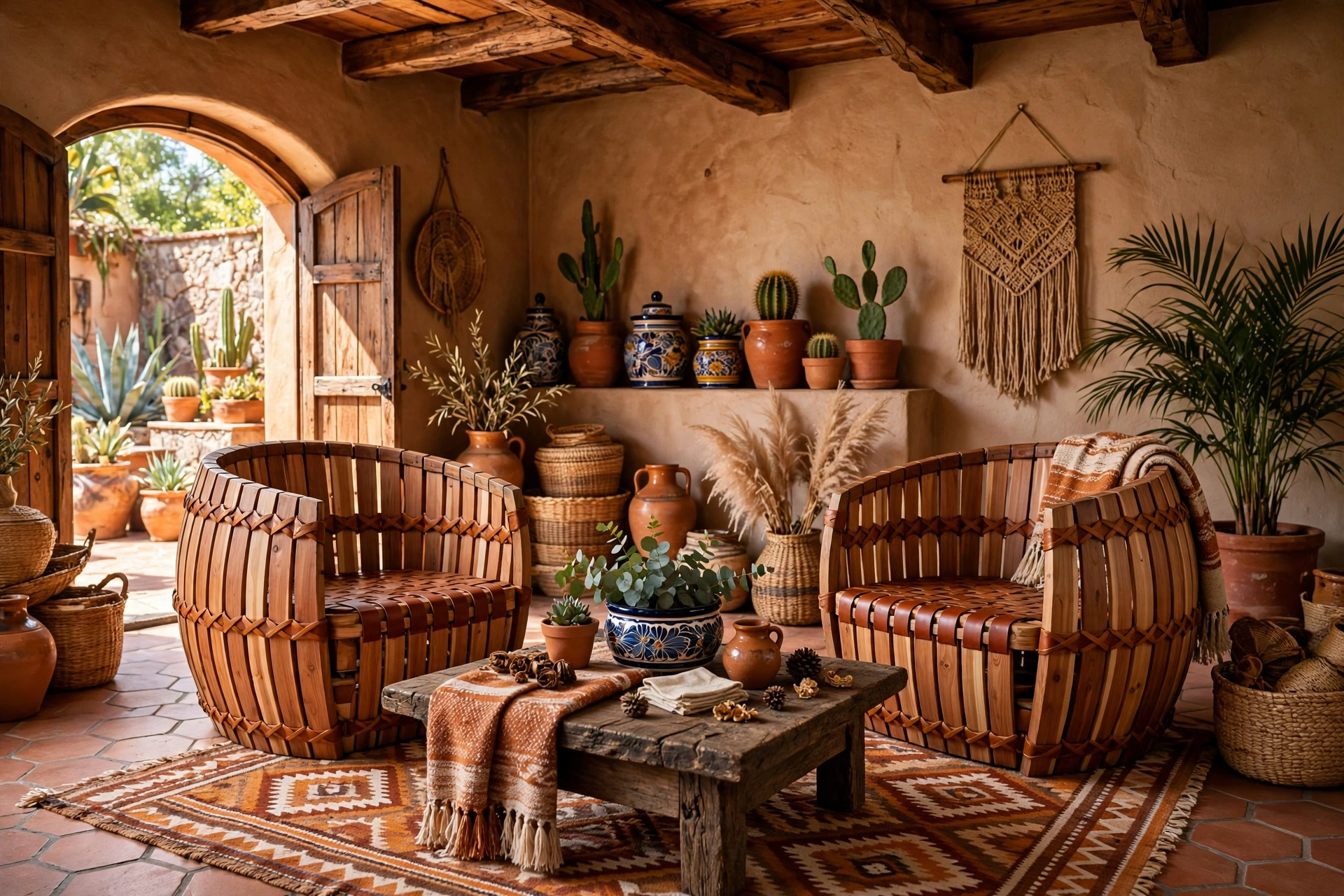
7. Wrought Iron Chandelier
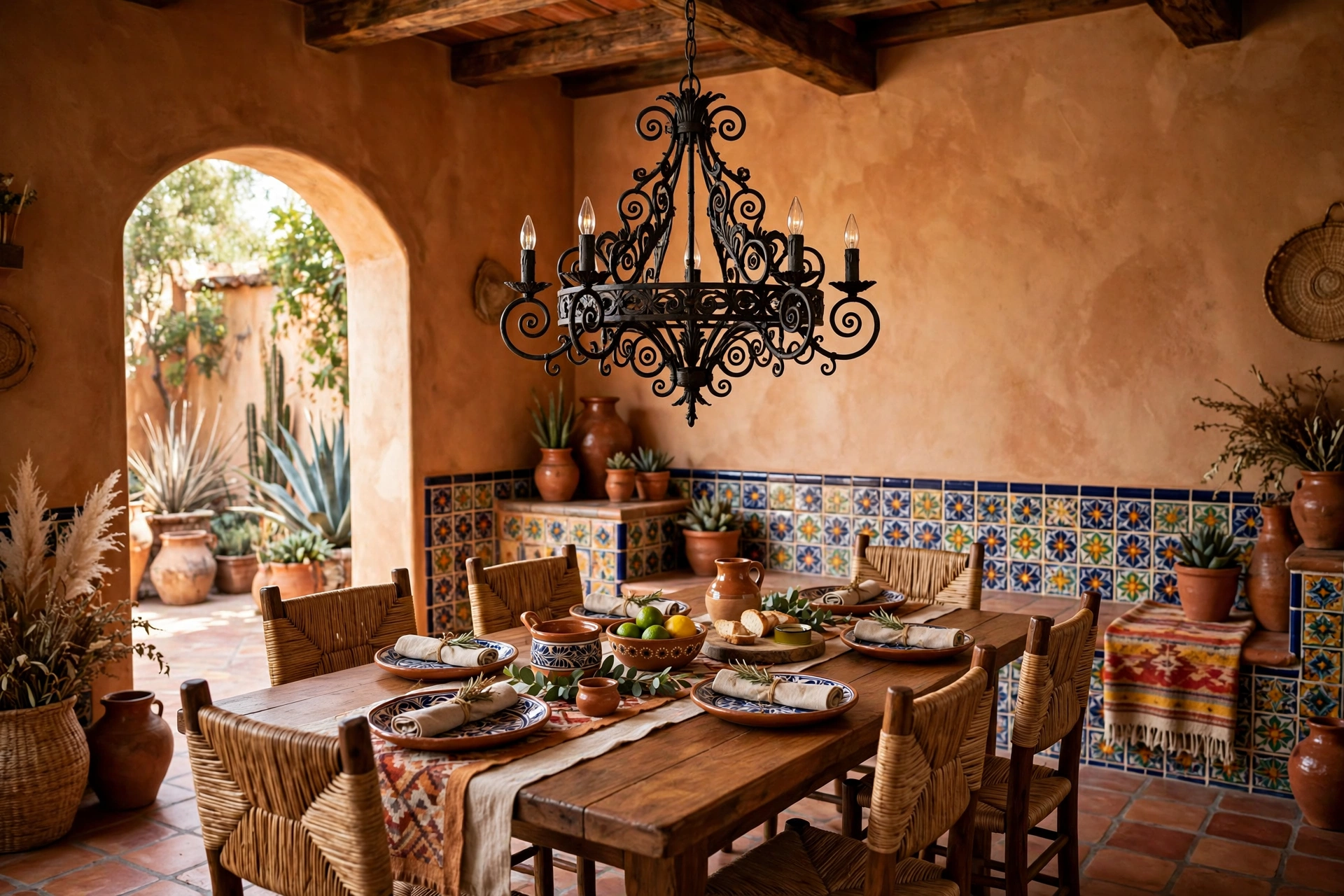
A wrought iron chandelier adds drama and old-world charm to a dining room, entryway, or living room. With its dark metal frame, curved details, and warm candle-style lights, it feels like something from a Mexican hacienda. The key is scale: choose a chandelier that is large enough to anchor the table or room, but not so large that it overwhelms the space. Hang it low over a dining table for an intimate glow, or higher in an entryway for a grand welcome. Pair it with wood, terracotta, and woven textures to keep the look warm rather than industrial. If you want a softer effect, add a dimmer switch so you can adjust the light from bright family dinners to relaxed evenings.
8. Serape Throws on the Sofa
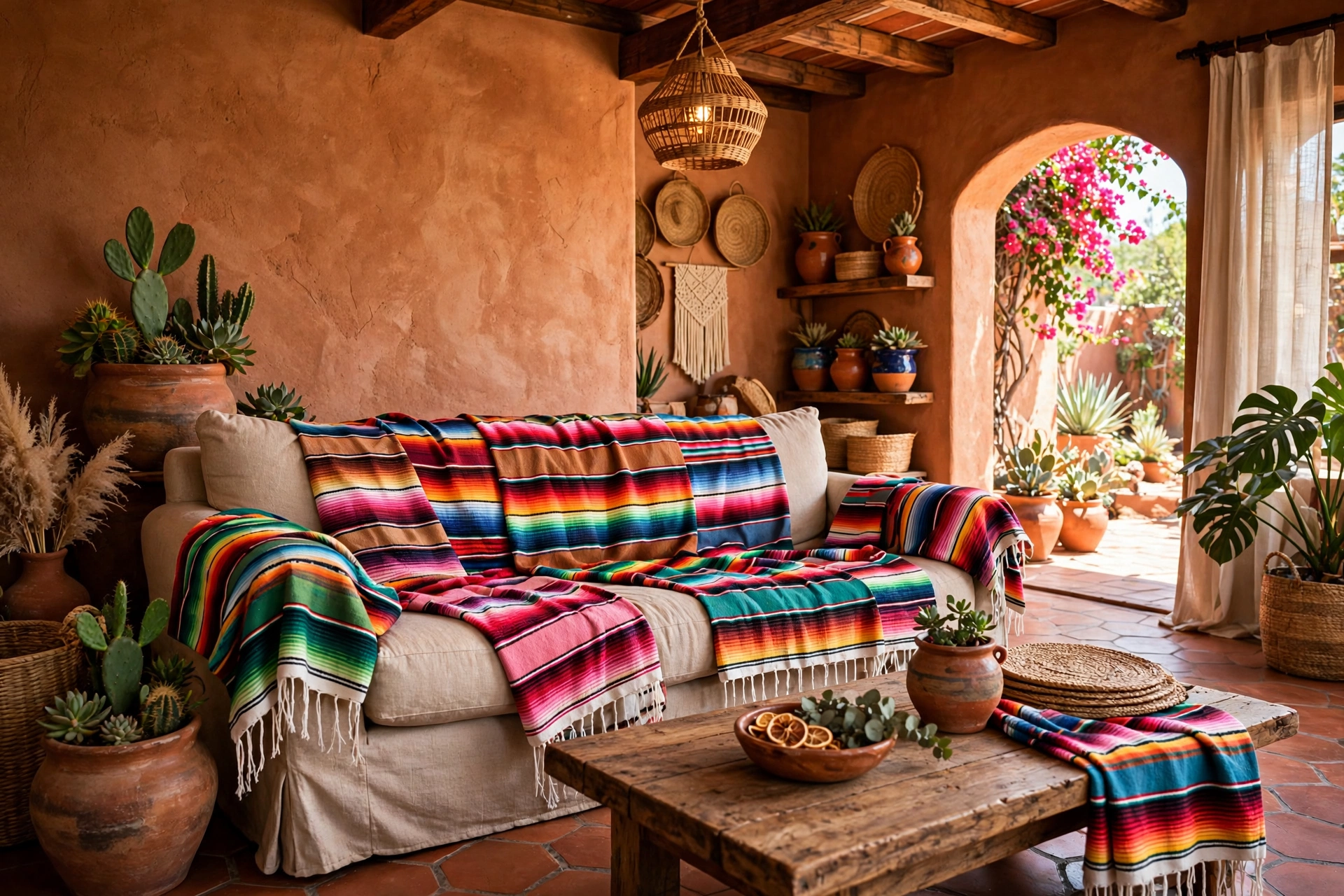
Serape throws are one of the easiest and most affordable ways to add Mexican color to a living room. These brightly striped woven blankets, traditionally made in Mexico, come in rainbow combinations of pink, yellow, turquoise, orange, and green. Drape one over the back of a sofa, fold one at the foot of a bed, or use one as a table runner for a fiesta. Because serapes are so colorful, they work best on a neutral sofa in white, beige, or gray, where the stripes can pop. Pair a serape with solid pillows in one or two of its colors to keep the look cohesive. It is a small change with a big impact, and it instantly makes a room feel warmer and more welcoming.
9. Otomi Embroidered Pillows
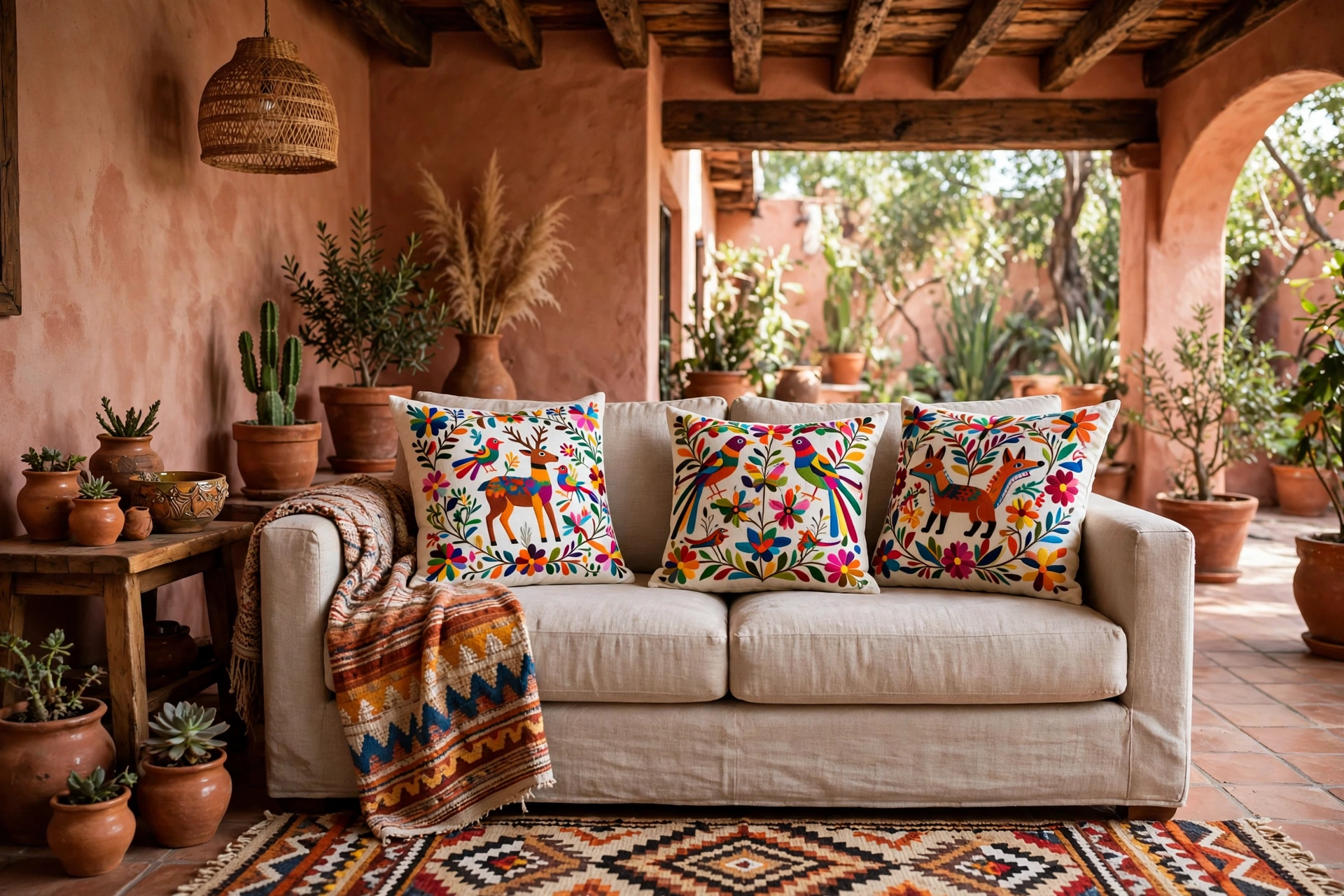
Otomi embroidery, from the Otomi people of central Mexico, features colorful animals, birds, and flowers stitched onto white or natural fabric. Otomi pillows bring that handcrafted artistry into your home in a small, versatile way. Use them on a sofa, bed, or bench, mixing one or two Otomi pillows with solid-color pillows in matching hues. The embroidery is detailed and joyful, so it works as a focal point even in a neutral room. Because each piece is made by hand, no two are exactly alike, which adds to their charm. Look for authentic Otomi textiles from fair-trade sellers when possible, and treat them gently by spot-cleaning to preserve the embroidery for years.
10. Zapotec Wool Rug
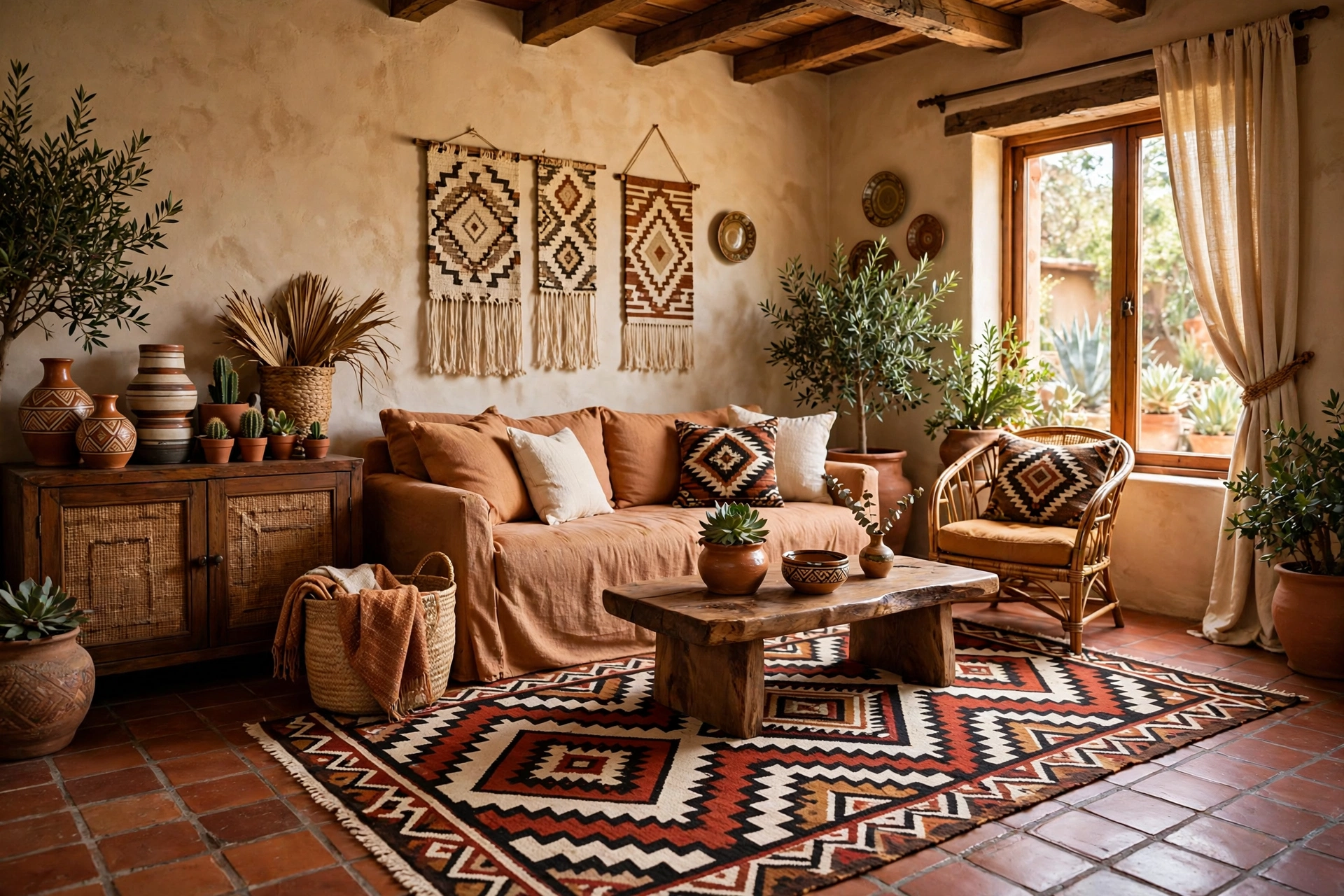
A Zapotec wool rug, woven by artisans in Oaxaca, Mexico, is a foundation piece for a Mexican-inspired room. These rugs are known for their geometric patterns, natural wool, and rich colors made from traditional dyes. A large Zapotec rug can anchor a living room, define a dining area, or warm up a bedroom floor. Choose a pattern with colors that echo your pillows, art, or throws to tie the room together. Because wool is durable and naturally stain-resistant, these rugs are practical for busy households as well as beautiful. If a full-size Zapotec rug is an investment, start with a smaller runner in a hallway or entryway, where its pattern can make a strong first impression.
11. Papel Picado Banners
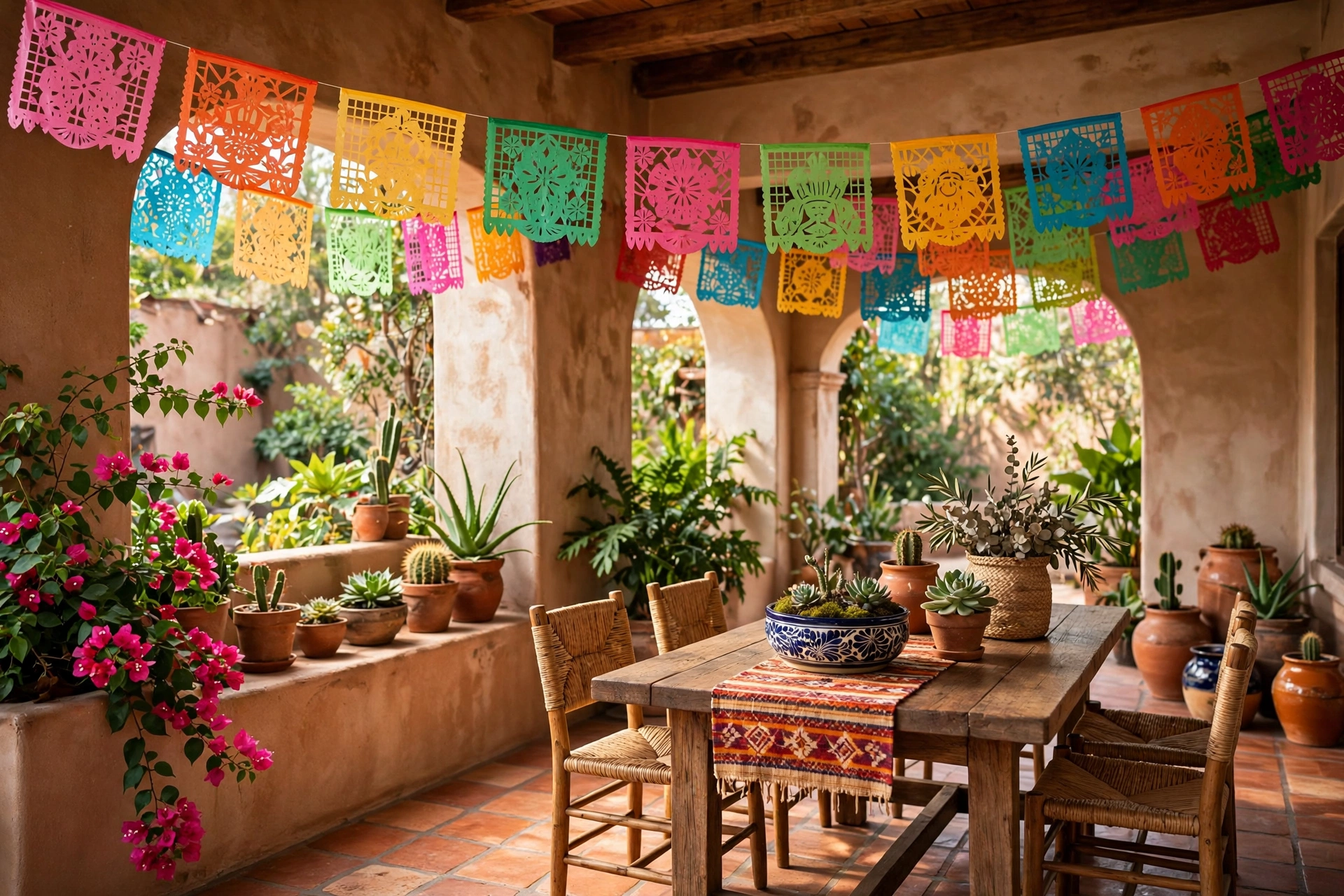
Papel picado, the colorful perforated tissue paper banners used in Mexican celebrations, is a joyful and inexpensive decor idea. Traditionally used for Day of the Dead, birthdays, and fiestas, these banners can also be a permanent or seasonal accent in a home. Hang a strand across a kitchen window, along a patio, or above a dining table for instant festivity. For a more durable version, look for papel picado made from plastic or fabric, which can be reused year after year. Choose colors that match your room, or go full rainbow for a party feeling. Papel picado is light, airy, and playful, and it moves gently in a breeze, adding life to any space.
12. Talavera Pottery Collection
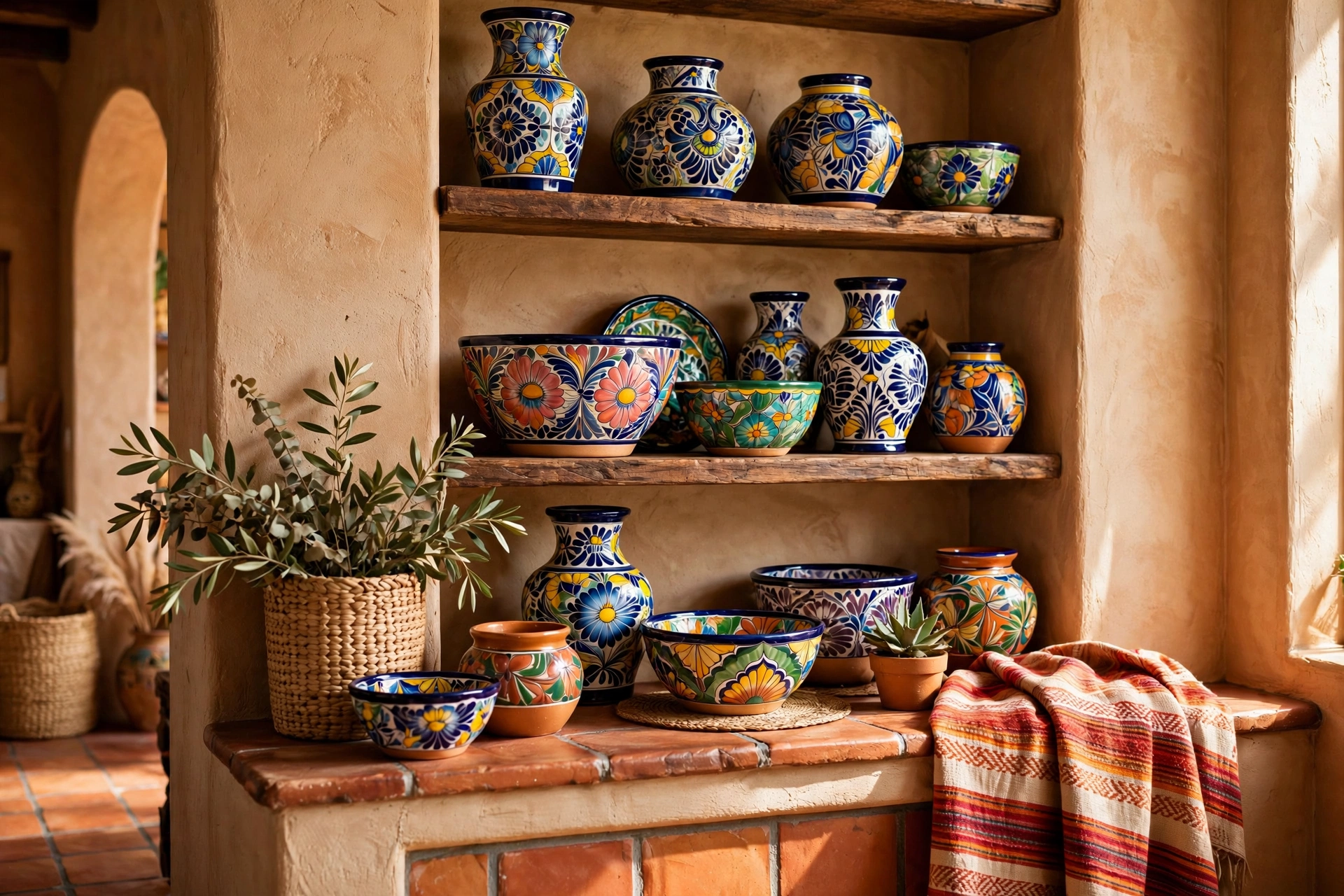
A collection of Talavera pottery is a beautiful way to display Mexican craftsmanship. Group vases, bowls, plates, and planters together on open shelves, a mantel, or a dining table, mixing sizes and patterns for a collected look. The key is to let the pottery be the art: keep the background simple, with white or warm neutral walls, so the colors can shine. If you have a large collection, rotate pieces seasonally so each one gets its moment. Talavera also works beautifully outdoors on a patio table or in a garden, where its bright colors contrast with green plants. Whether you buy one special vase or build a collection over time, Talavera pottery adds color, history, and personality to any room.
13. Hand-Blown Glassware
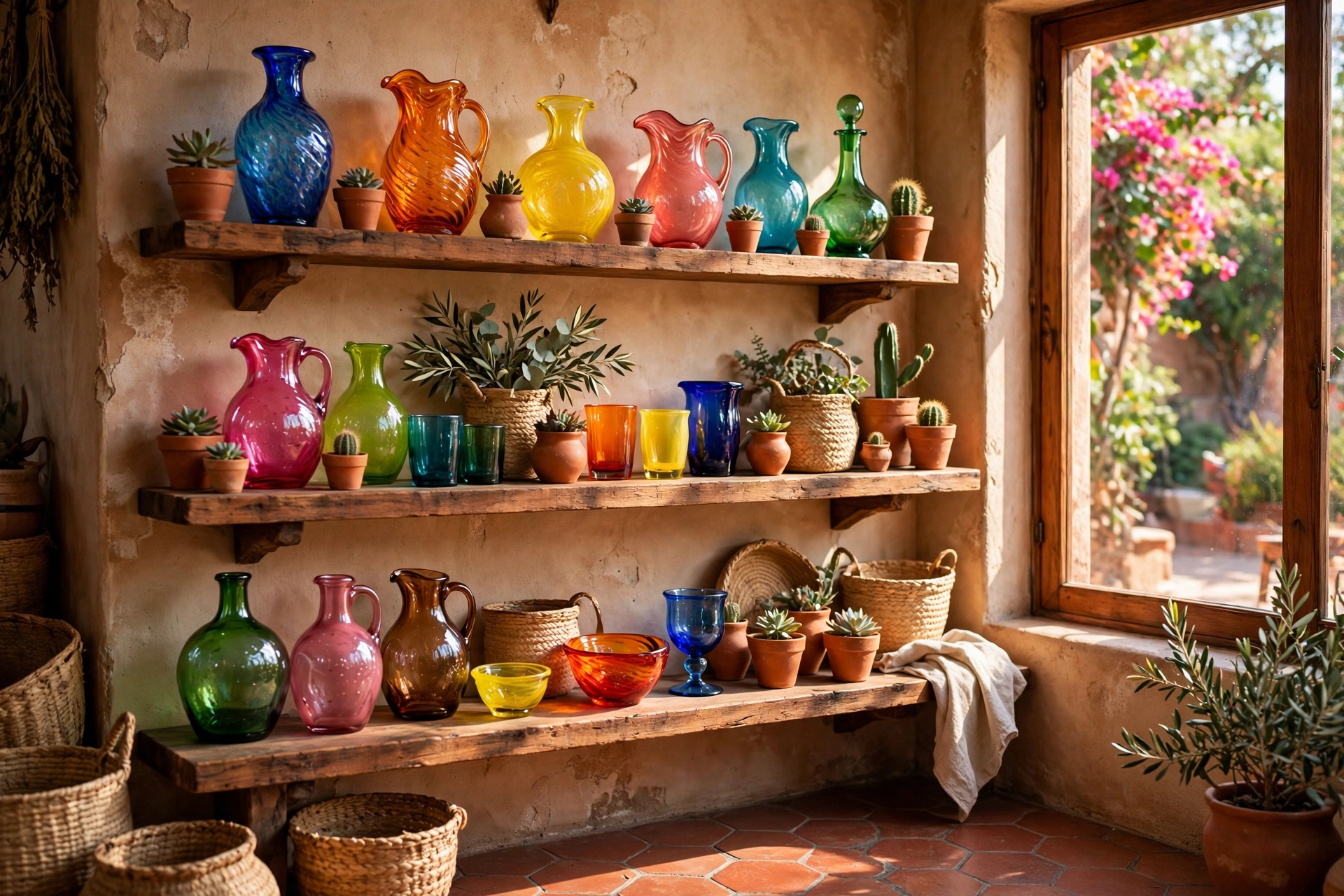
Hand-blown glassware from Mexico, often with a distinctive blue or green tint and a characteristic bubble texture, is both beautiful and practical. Use colorful glasses for everyday meals, margaritas, or water, and display pitchers and vases on open shelves when not in use. The slight irregularities in hand-blown glass are a sign of true craftsmanship, and they catch light beautifully on a table. Pair Mexican glassware with Talavera plates, woven placemats, and a simple linen napkin for a complete table setting. For a decorative touch, group a few colored bottles or vases on a windowsill, where sunlight will make them glow. It is an easy way to bring Mexican artistry into daily life.
14. Brightly Painted Doors
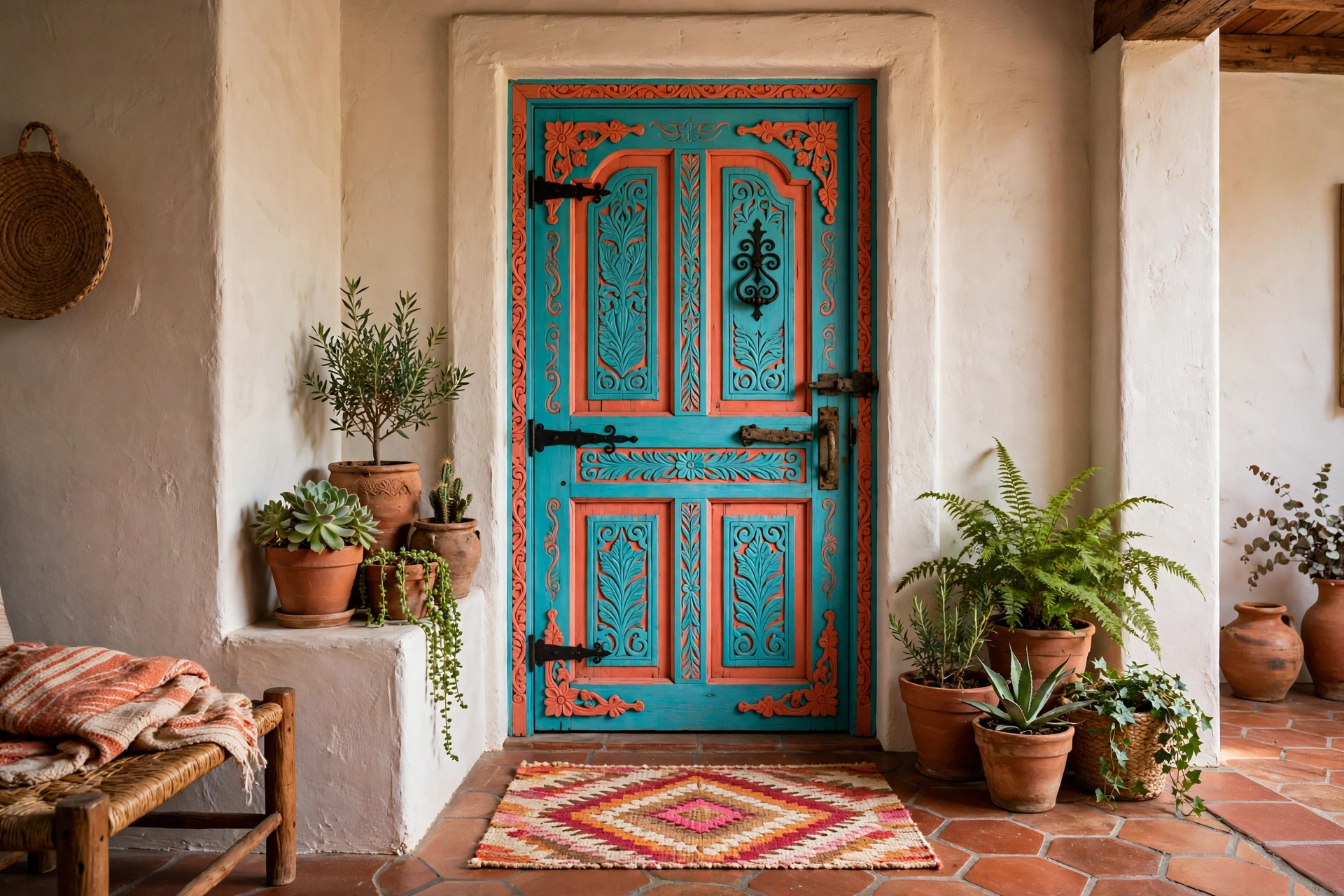
A brightly painted door is a signature Mexican touch, and it works just as well inside as outside. Paint a front door turquoise, cobalt, yellow, or coral, and it becomes a cheerful welcome before anyone steps inside. Inside the home, try a painted interior door, a pantry door, or even a closet door in a bold color to add personality to a hallway. The key is to keep the surrounding walls neutral so the door can stand out. Pair a colorful door with a simple wreath, a clay pot by the entrance, and a woven doormat, and the entry will feel festive all year. It is a weekend project with a big payoff, and it is easy to repaint if you want a change.
15. Nicho Alcoves
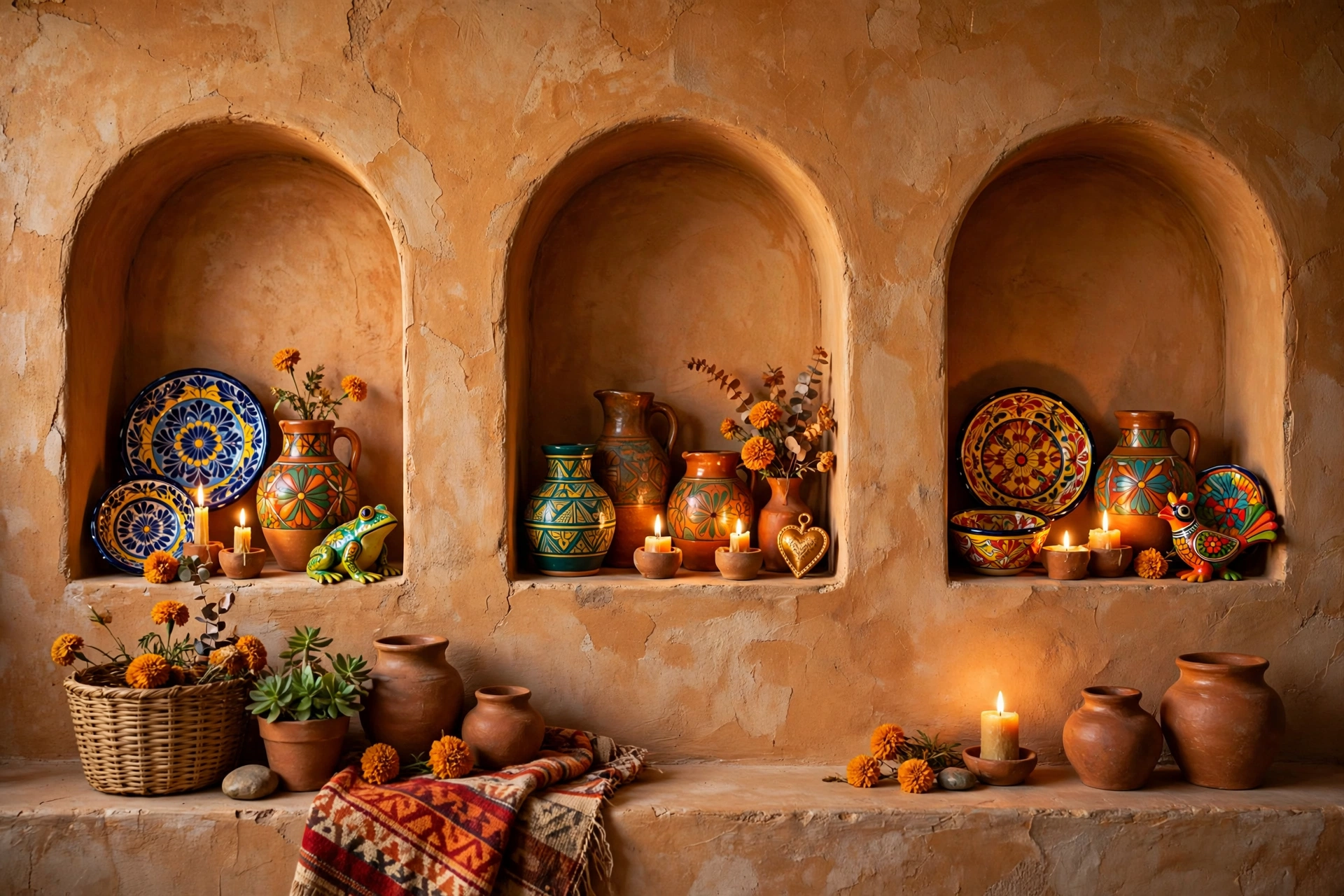
Nicho alcoves are small, arched niches built into a wall, traditionally used to display religious art, candles, or small treasures. In a modern home, a nicho can be a beautiful way to showcase a favorite vase, a small sculpture, or a collection of candles. You can create a nicho look without construction by using a small arched shelf, a shadow box, or a recessed wall niche if your home already has one. Paint the inside of the nicho a contrasting color, such as turquoise or terracotta, to make the displayed object pop. Group two or three nichos together for a gallery effect, or use a single nicho as a quiet focal point in a hallway or bedroom. It adds architecture, history, and a sense of reverence to a space.
16. Talavera Bathroom Sink
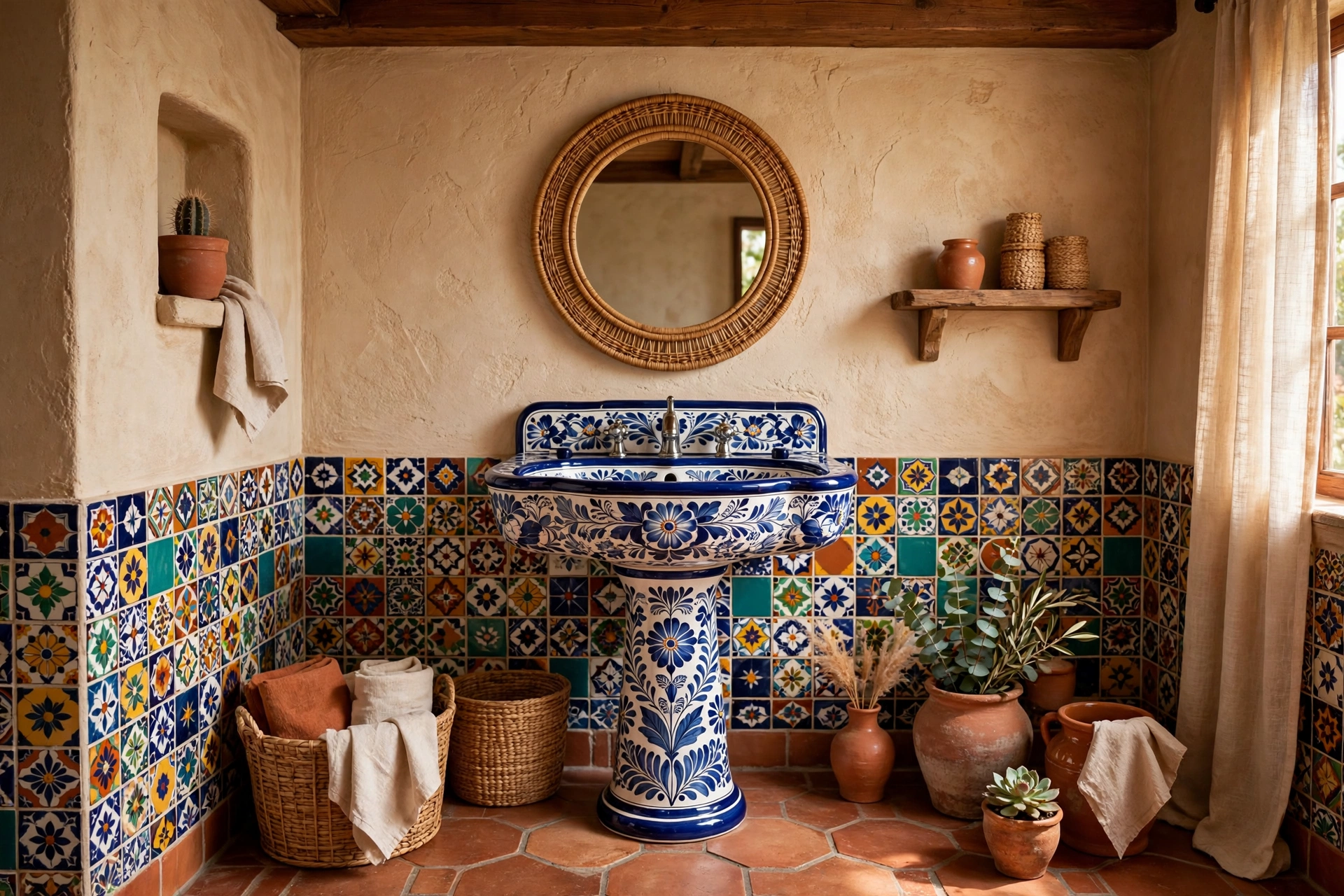
A Talavera bathroom sink turns an ordinary bathroom into a colorful retreat. These hand-painted ceramic sinks come in a range of patterns, from classic blue and white to vibrant multicolor designs, and they pair beautifully with a simple wooden vanity and a plain mirror. Because the sink is the focal point, keep the rest of the bathroom calm: white walls, natural wood, and a few woven baskets for storage. A Talavera sink also works well in a powder room, where guests will notice and appreciate the artistry. If you are renovating, choose the sink first, then select tile and paint colors that echo one or two colors from its pattern. The result is a bathroom that feels personal, handcrafted, and full of joy.
17. Tiled Stair Risers
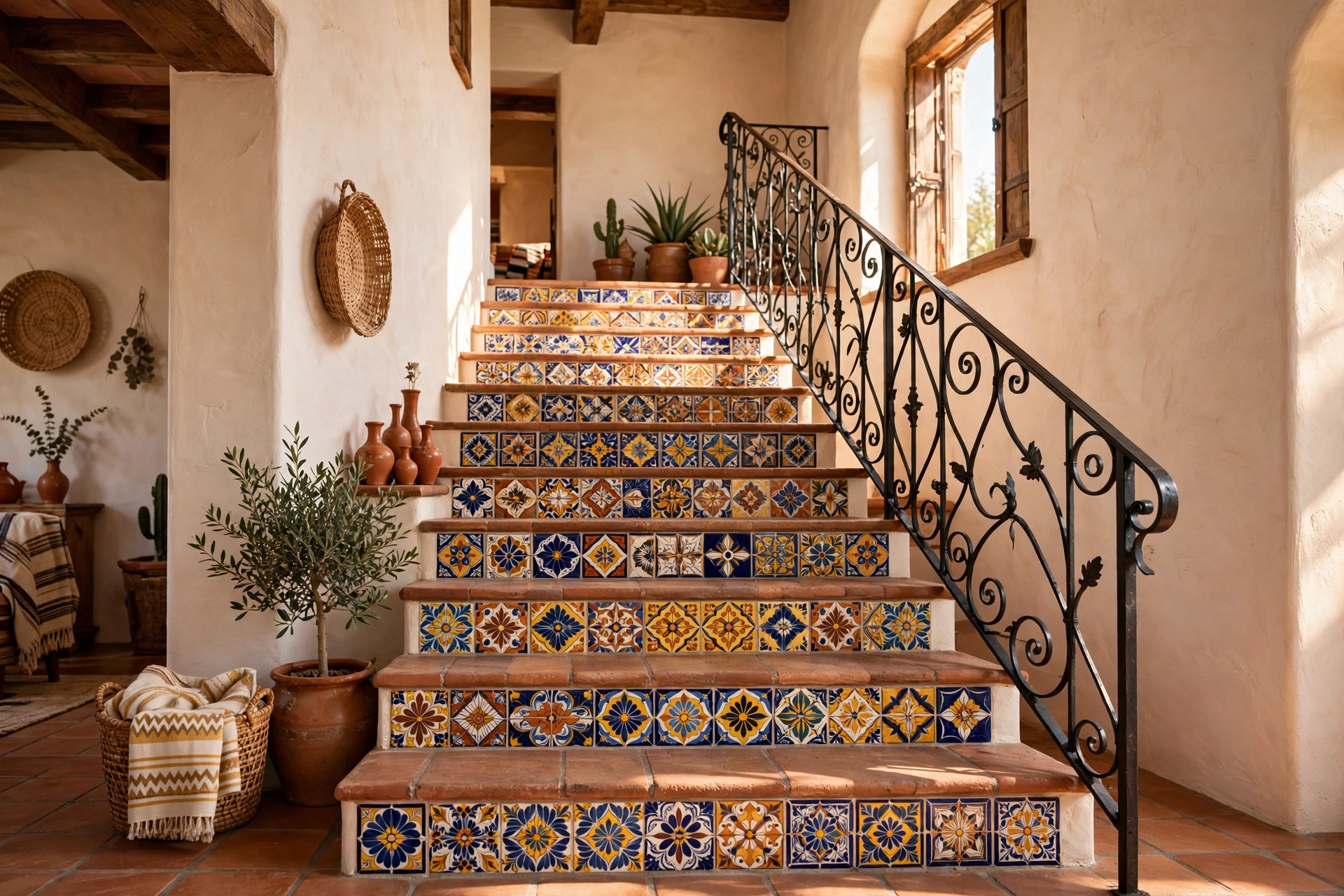
Tiled stair risers are a delightful surprise in a Mexican-inspired home. By tiling the vertical face of each stair with colorful Talavera or patterned tiles, you turn a functional staircase into a work of art. You can use a single repeated pattern for a clean look, or mix patterns for a more eclectic, patchwork effect. This idea works especially well in entryways, where the stairs are visible as soon as you enter. Keep the stair treads simple wood or neutral tile so the risers can shine, and add a wrought iron railing for a complete hacienda feel. If you rent or want a temporary version, try peel-and-stick tile decals in a Talavera pattern, which give a similar look without permanent installation.
18. Wrought Iron Bed Frame
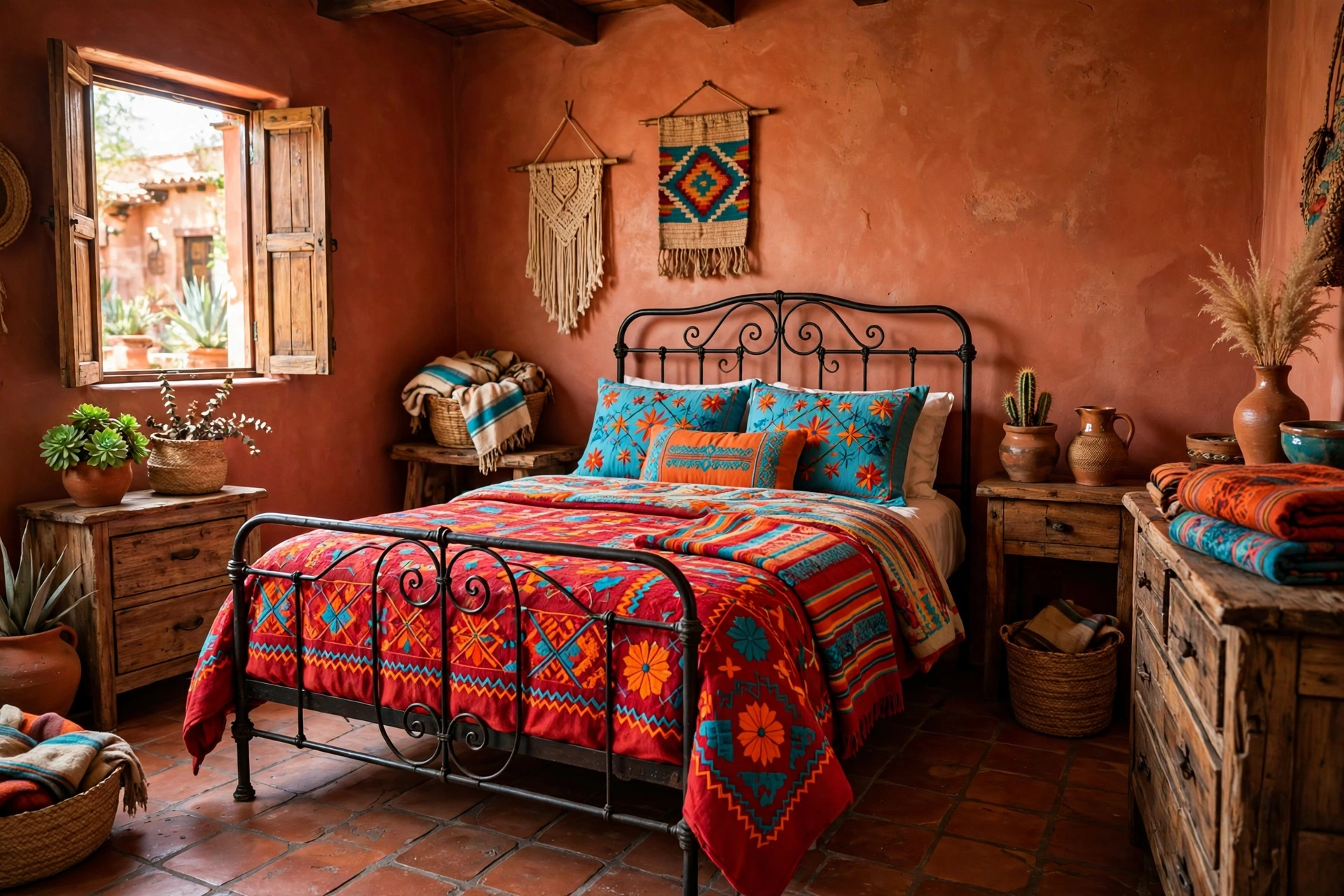
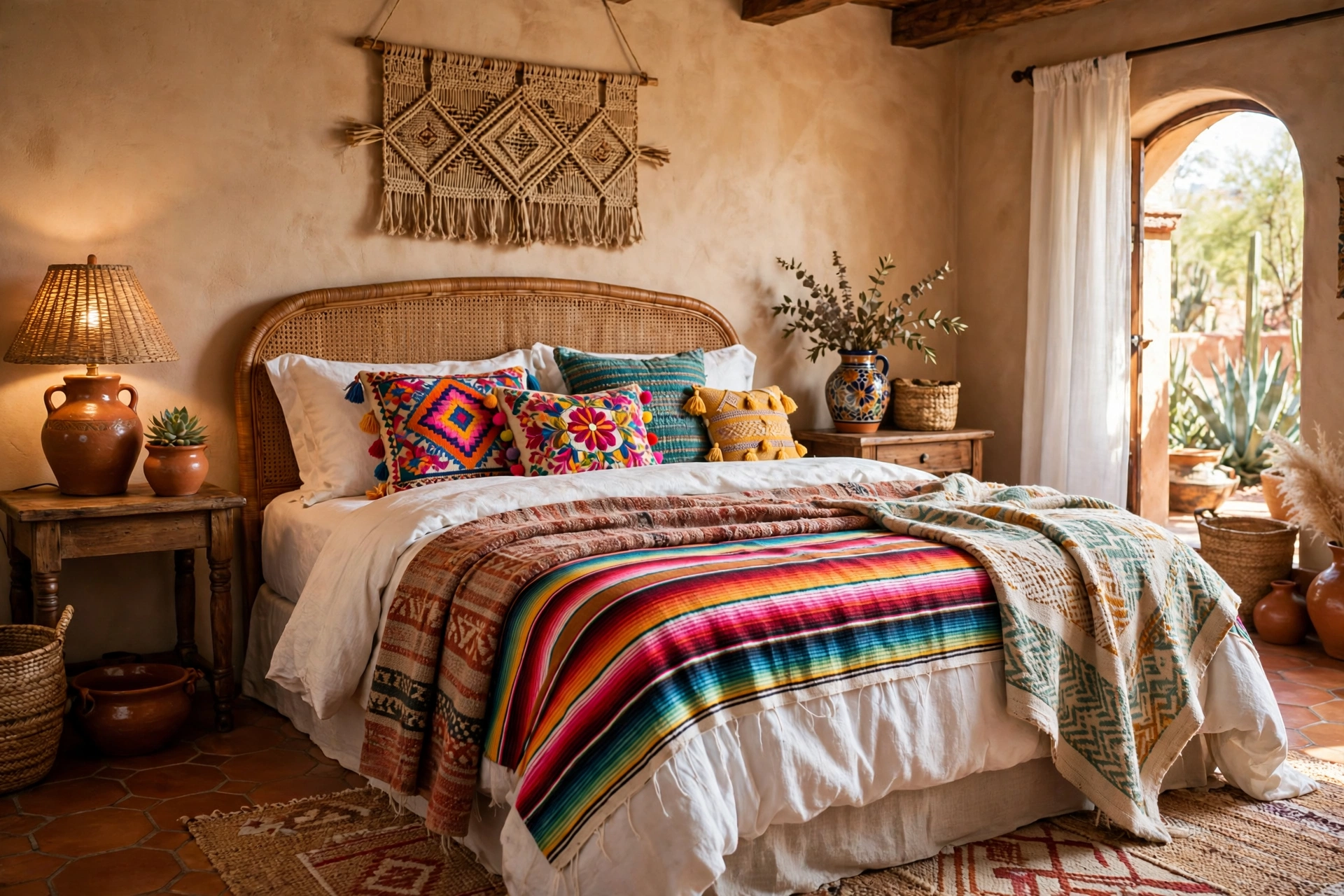
A wrought iron bed frame brings Mexican and Mediterranean romance to a bedroom. With its dark metal, curved details, and sturdy construction, it feels both elegant and rustic. Pair a wrought iron bed with white or natural linen bedding, a serape throw at the foot, and a few embroidered pillows for a layered, inviting look. The dark metal contrasts beautifully with terracotta walls, wood furniture, and colorful textiles, creating a balanced room. If you prefer a lighter feel, choose a white or cream wrought iron frame, which looks airy against colorful walls. Add a woven rug, a wooden nightstand, and a clay lamp, and the bedroom will feel like a peaceful retreat.
19. Serape Bedding
Serape bedding is a fun, colorful way to bring Mexican style into a bedroom. Use a serape as a bedspread, a throw at the foot of the bed, or a set of pillow shams in its bright stripes. Because serapes are so vivid, they work best with solid sheets and pillowcases in white, cream, or a color pulled from the stripes. Layer a serape over a simple duvet for a cozy, collected look, and add a few textured pillows in natural fibers to balance the color. Serape bedding is especially nice in a guest room, where it makes visitors feel welcomed with warmth and festivity. It is also easy to change seasonally: use a lighter serape in summer and a heavier woven blanket in winter.
20. Cactus Garden
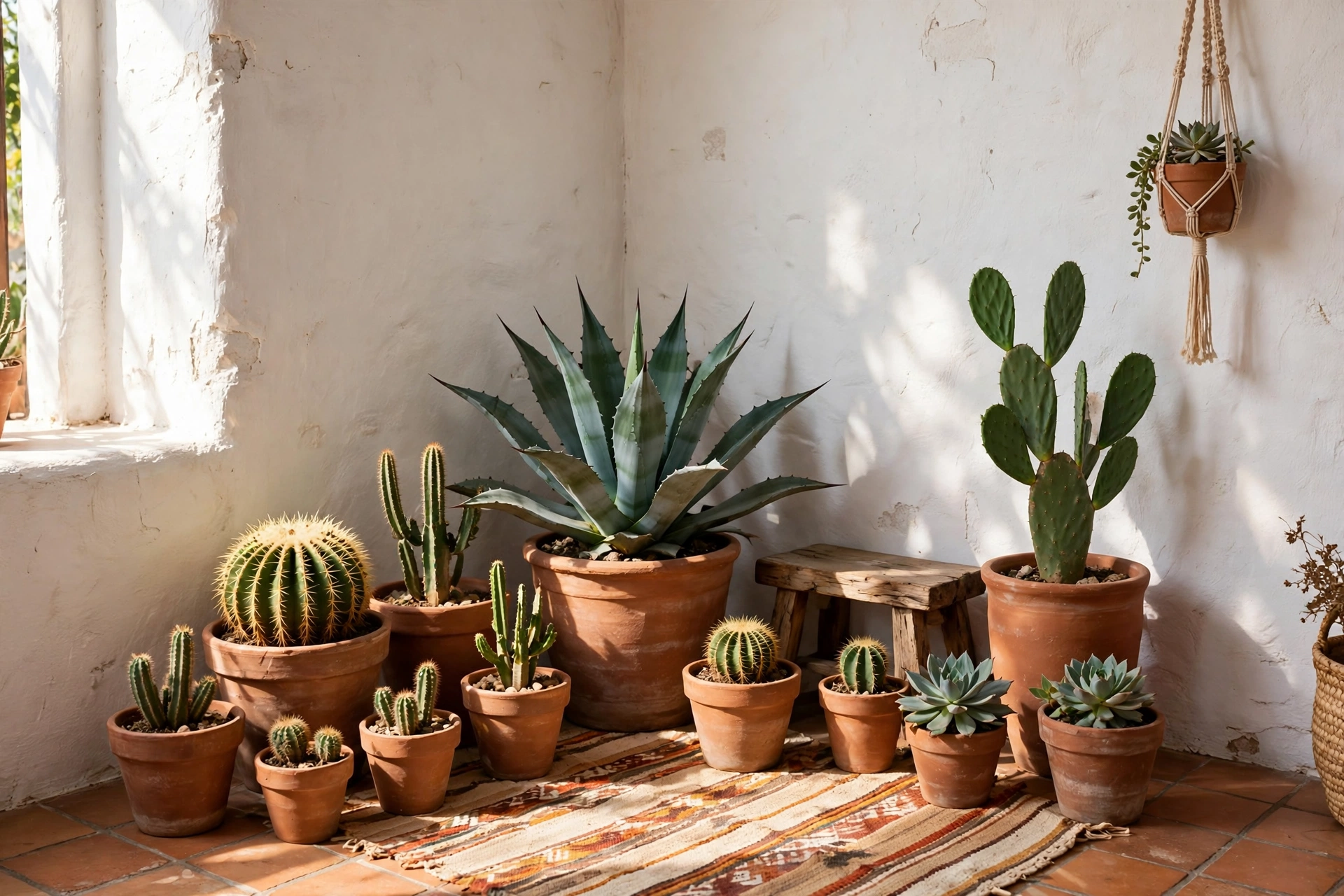
A cactus garden, indoors or out, is a natural fit for Mexican decor. Cacti and succulents thrive in sunny, dry conditions, and they come in a wonderful variety of shapes, sizes, and greens. Group several cacti in terracotta pots on a windowsill, a patio table, or a garden bed, mixing tall, round, and trailing varieties for visual interest. Add decorative stones, sand, or a small Talavera pot for color contrast. A cactus garden is low-maintenance, which makes it ideal for busy households or beginner gardeners. Indoors, place cacti near a bright window and water sparingly. Outdoors, create a desert garden with gravel, rocks, and a few larger agave plants for a dramatic, drought-friendly landscape.
21. Clay Pot Planters
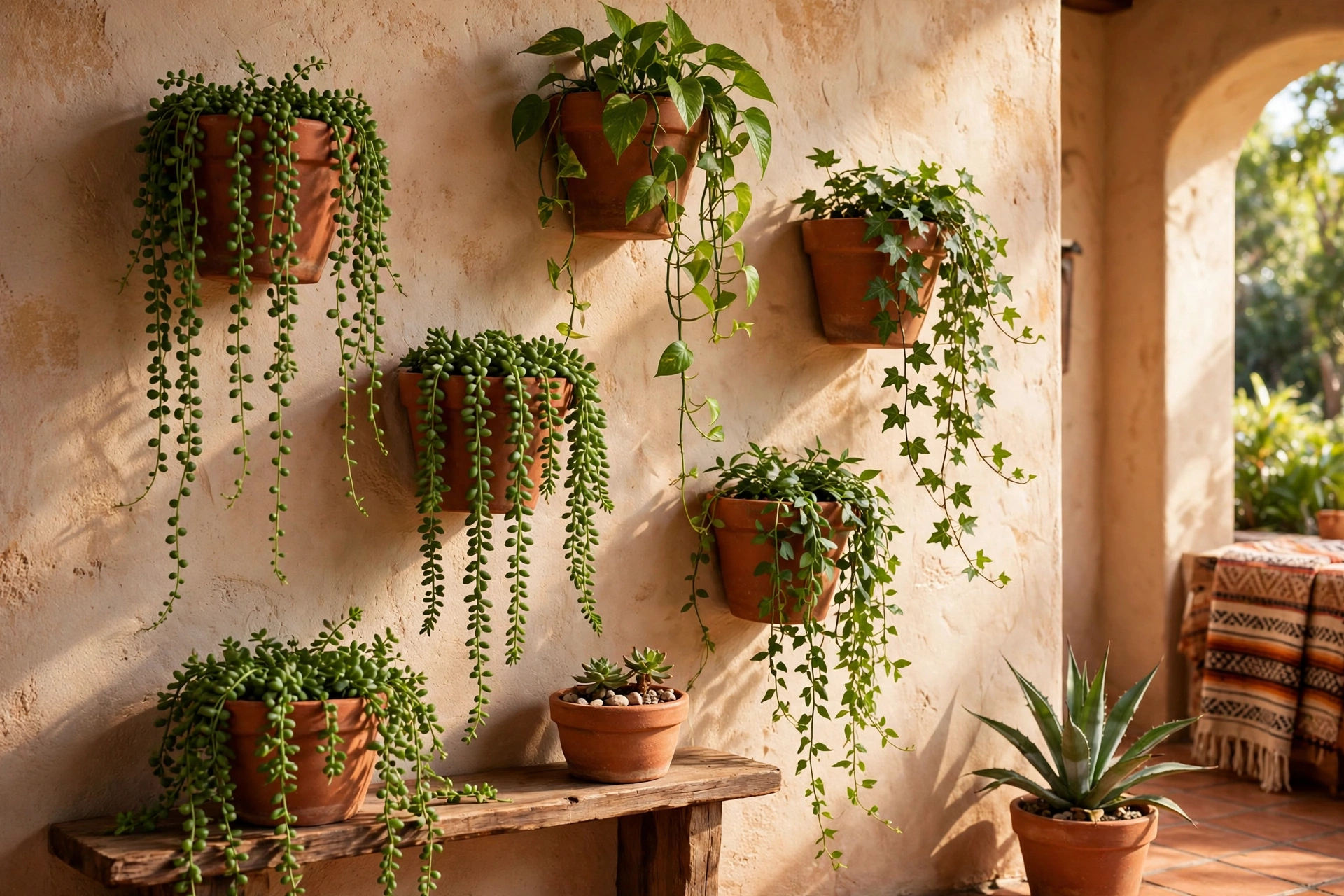
Clay pot planters are a simple, timeless Mexican decor staple. Terracotta pots, with their warm orange-brown color and porous texture, make plants look healthier and rooms feel more natural. Use a mix of sizes, grouping small, medium, and large pots together for a layered display. Clay pots work for herbs in a kitchen, succulents on a patio, or large plants in a living room corner. You can leave them natural for a rustic look, or paint a few in bright colors for a playful accent. Pair clay pots with wooden furniture, woven baskets, and colorful textiles, and the space will feel earthy and inviting. Because terracotta is inexpensive, you can easily refresh your plant display seasonally.
22. Alebrije Sculptures
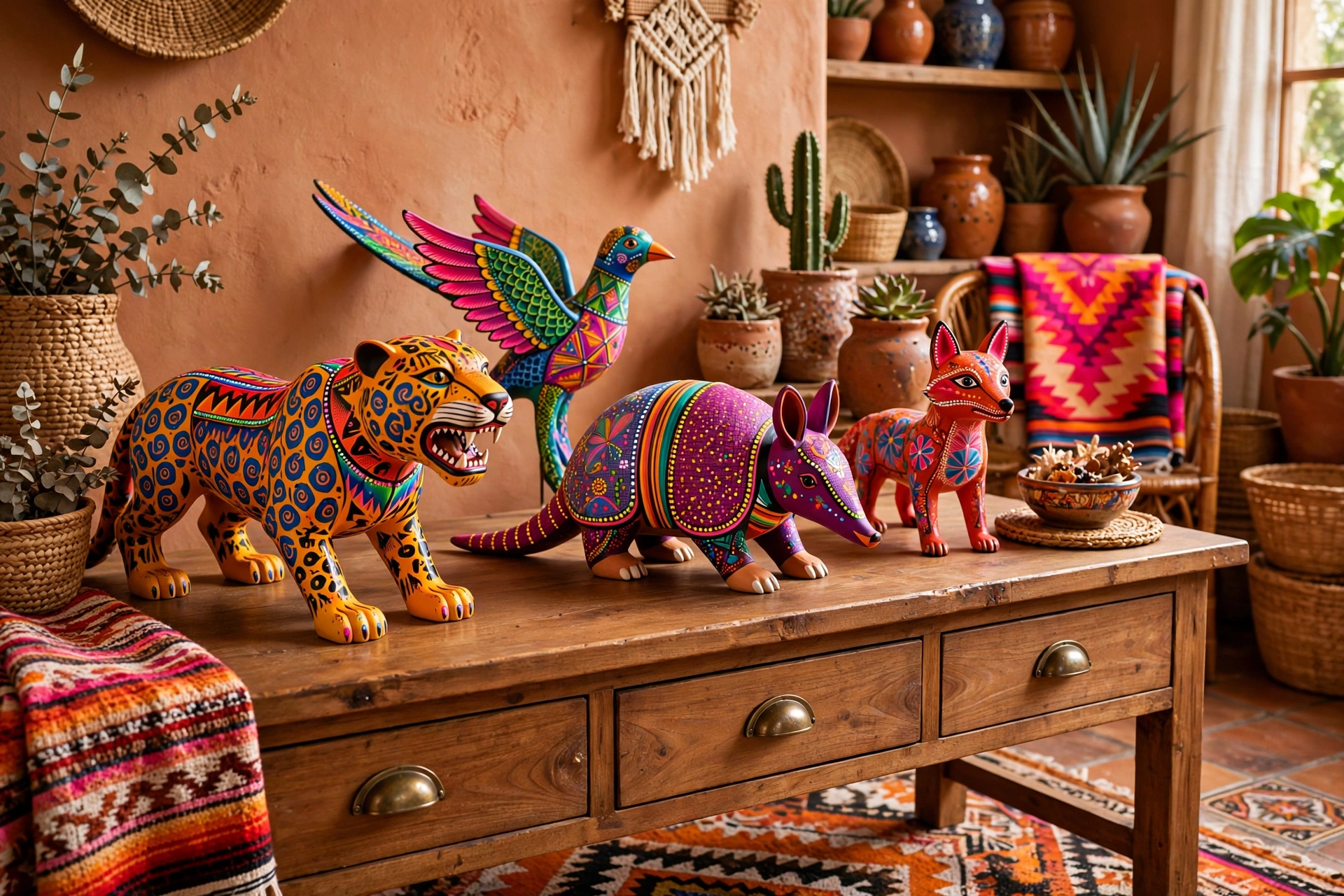
Alebrijes are brightly painted, fantastical wooden sculptures from Oaxaca, depicting creatures that blend animals, dragons, and imagination. These colorful figures are true folk art, each one carved and painted by hand with intricate patterns. Display a single large alebrije as a statement piece on a shelf or table, or group several smaller ones together for a playful collection. Alebrijes work well in living rooms, offices, and children’s rooms, where their whimsy and color spark conversation. Pair them with simple, neutral furniture so their patterns can stand out. Because each alebrije is unique, collecting them over time becomes a personal art journey, and each piece carries the story of its maker.
23. Huichol Beadwork
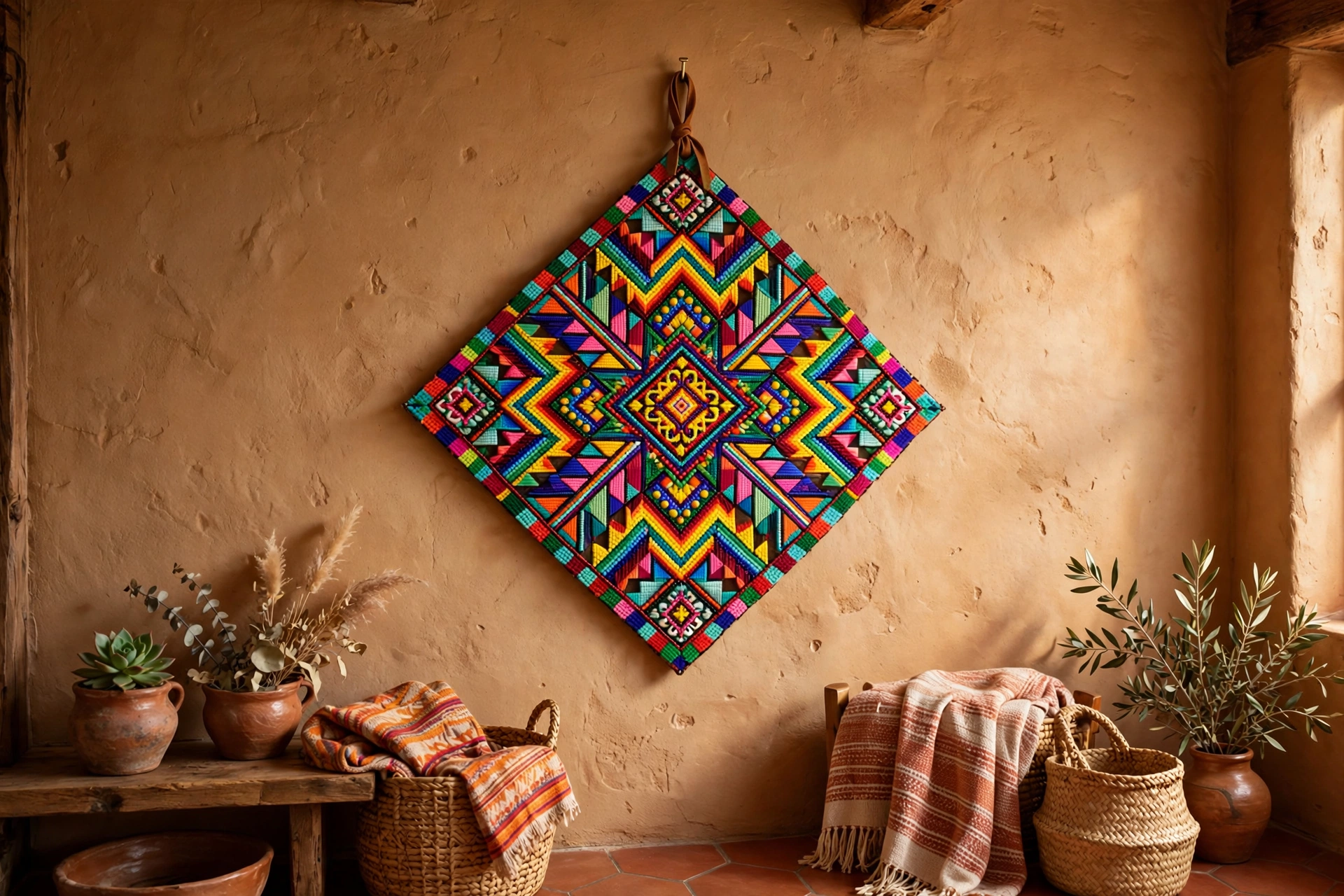
Huichol beadwork, created by the Wixárika people of Mexico, is a stunning art form where tiny glass beads are pressed into beeswax on wooden forms to create intricate, symbolic patterns. Huichol art often features deer, peyote, corn, and other sacred symbols in vivid colors. Display a beaded skull, animal figure, or bowl as a centerpiece, or hang a beaded mask on a wall for a gallery effect. Because Huichol beadwork is so detailed, it works best as a focal point in a simple setting, with neutral walls and minimal competing patterns. These pieces are labor-intensive and deeply meaningful, so choose authentic work from reputable sellers and handle it gently to protect the beadwork. It is art with a story, and it brings a sense of reverence and color to any room.
24. Frida Kahlo Gallery Wall
A Frida Kahlo gallery wall celebrates one of Mexico’s most iconic artists and adds instant personality to a room. Mix Frida portraits, prints, and quotes with mirrors, small shelves, and other Mexican art for a collected gallery look. Use a mix of frame styles and sizes for an eclectic feel, or choose matching black frames for a more polished gallery. A gallery wall works well in a hallway, living room, or bedroom, where it can be a daily source of inspiration. Pair it with a colorful accent wall, a serape throw, and a few plants to complete the look. Frida’s bold, unapologetic style is a perfect match for Mexican decor, which celebrates individuality and color.
25. Calavera Art
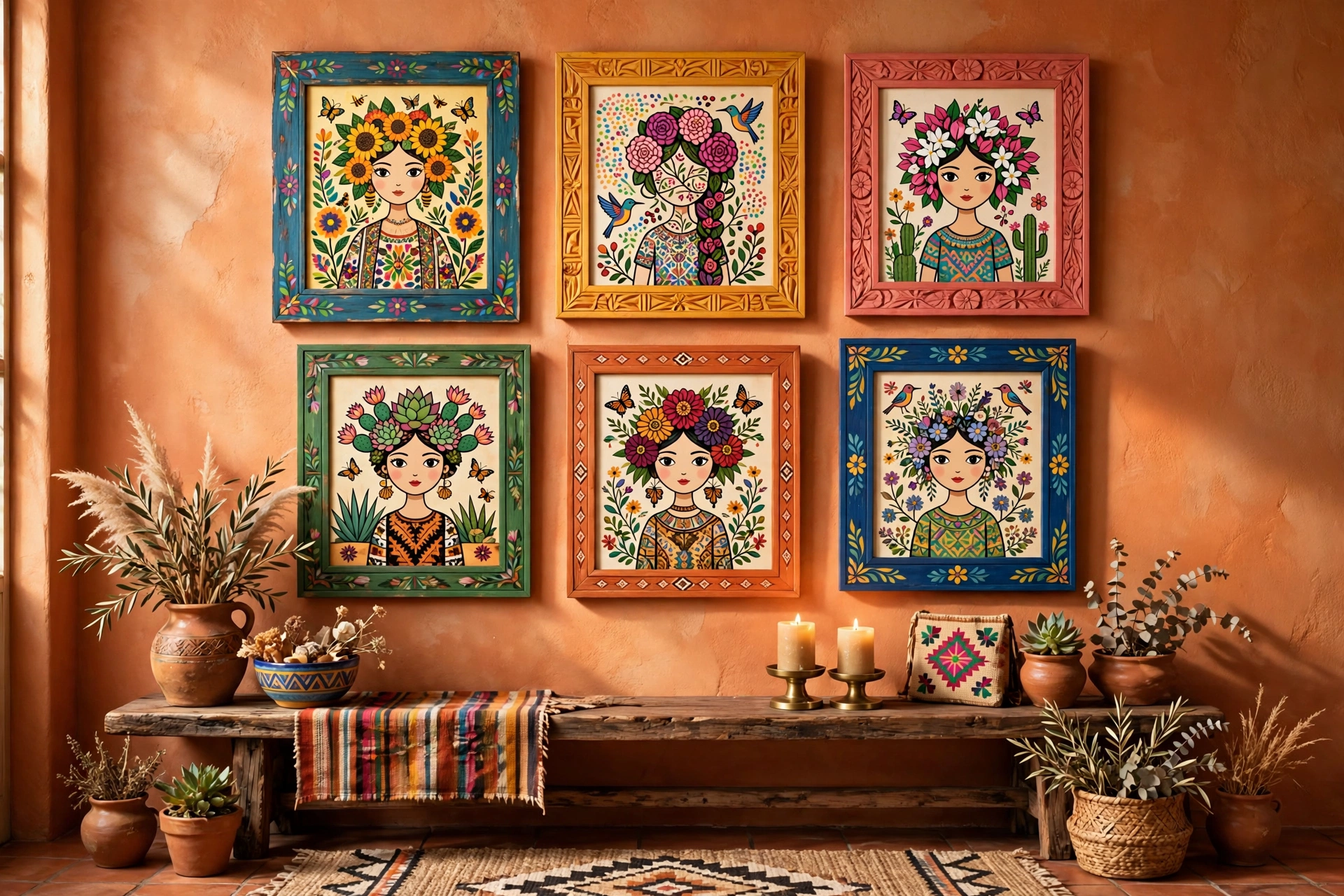
Calavera art, the colorful skull imagery associated with Day of the Dead, is a vibrant and meaningful Mexican decor idea. Far from morbid, calaveras celebrate life, memory, and the joy of remembering loved ones. Display calavera paintings, sculptures, or textiles year-round, not just in November, as a reminder to celebrate life. A calavera on a mantel, shelf, or wall adds color and cultural depth, especially when paired with marigolds, candles, and other Day of the Dead elements. Choose a style that fits your home: a traditional sugar skull design for a classic look, or a modern, minimalist calavera for a contemporary twist. Calavera art is a conversation starter and a beautiful way to honor Mexican tradition.
26. Hammock Nook
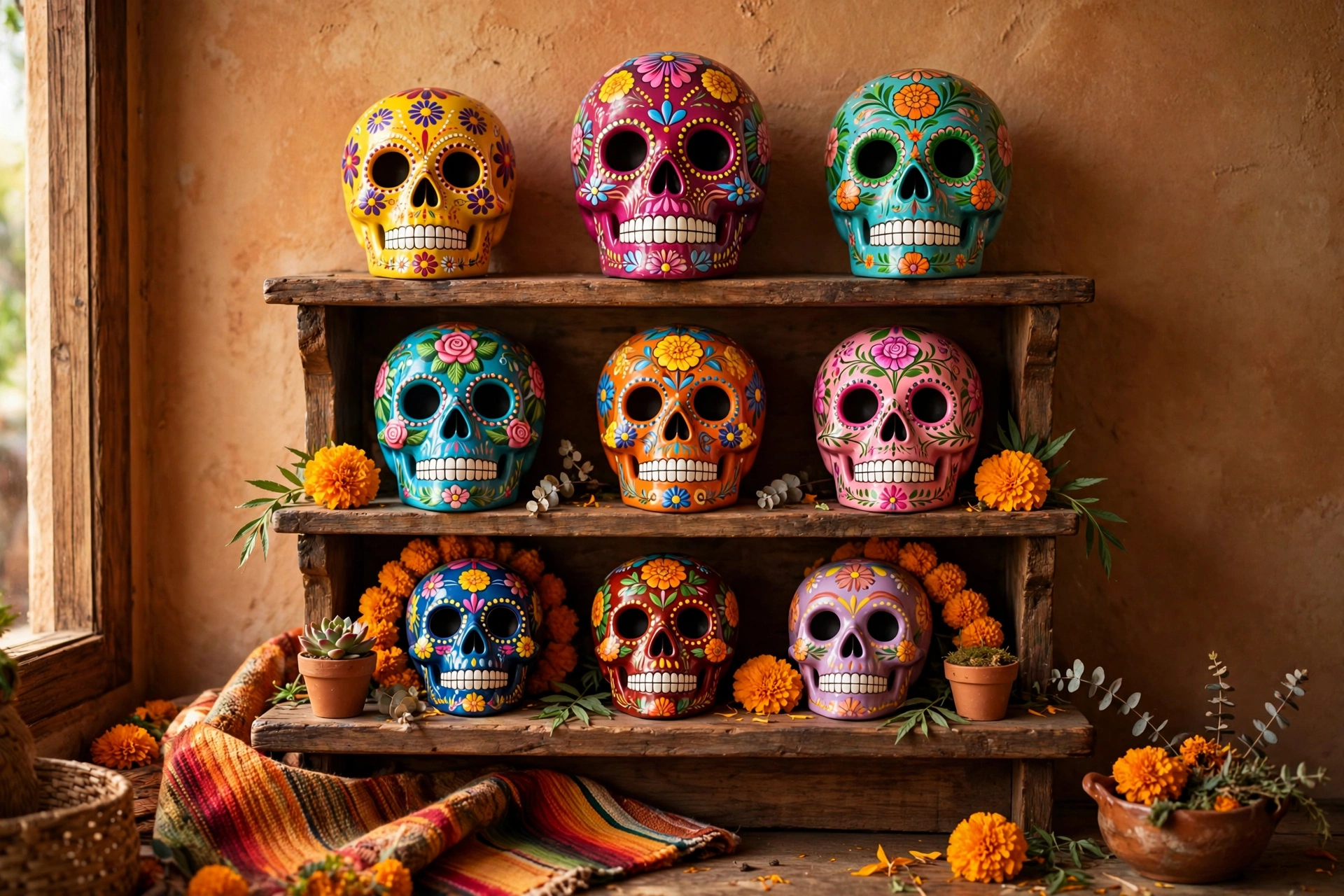
A hammock nook is a relaxing, bohemian addition to a Mexican-inspired home. Hang a colorful Mayan hammock in a sunny corner, on a covered patio, or in a garden, and add a few pillows and a soft throw for comfort. A hammock invites lazy afternoons, reading, and napping, and it adds a sense of vacation to everyday life. If you do not have space for a full hammock, try a hanging chair in a similar woven style, which gives the same relaxed feeling in a smaller footprint. Pair a hammock with plants, a small side table, and a woven rug to create a cozy retreat. Choose a hammock in bright stripes or a natural cotton for a more understated look.
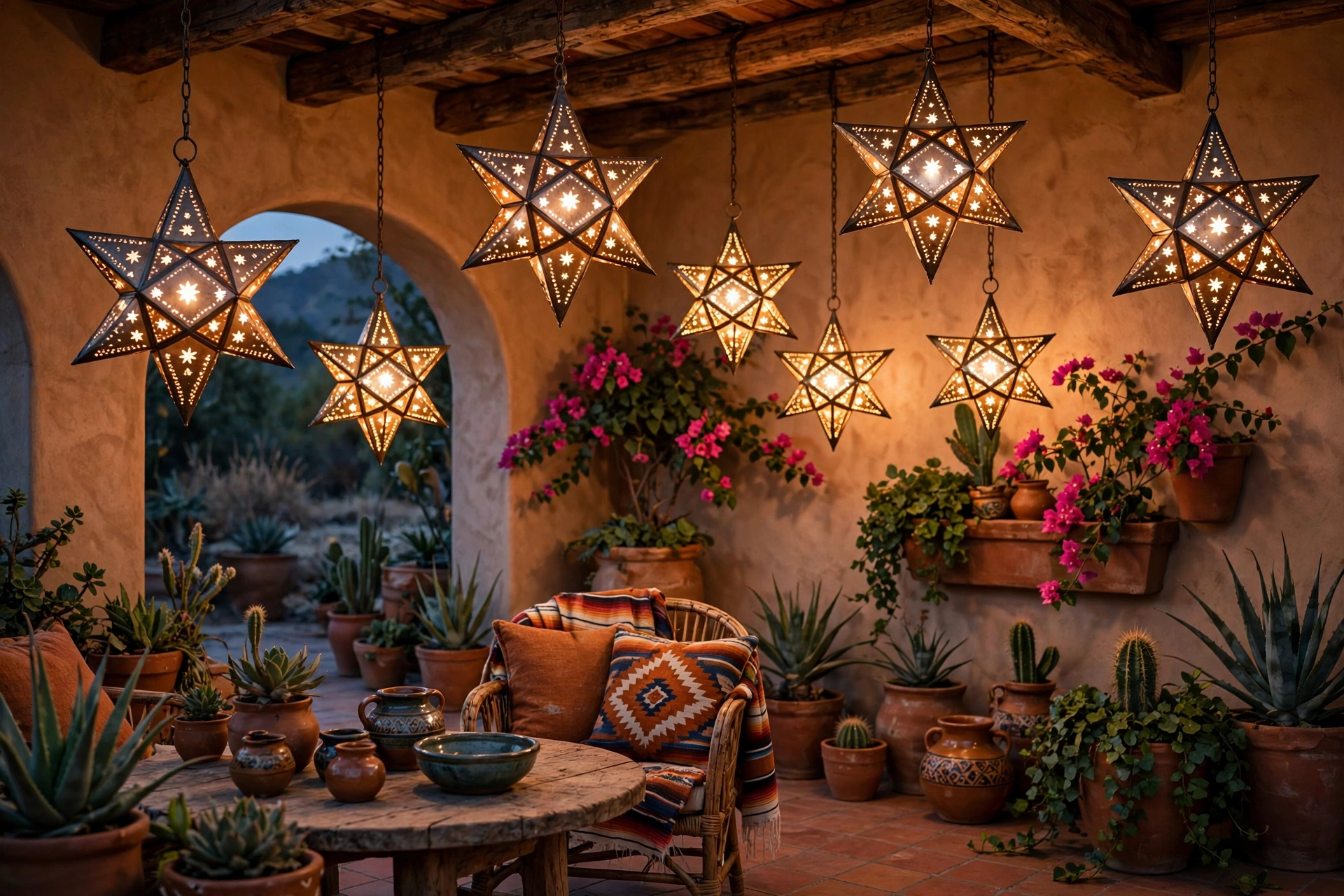
27. Tin Star Lanterns
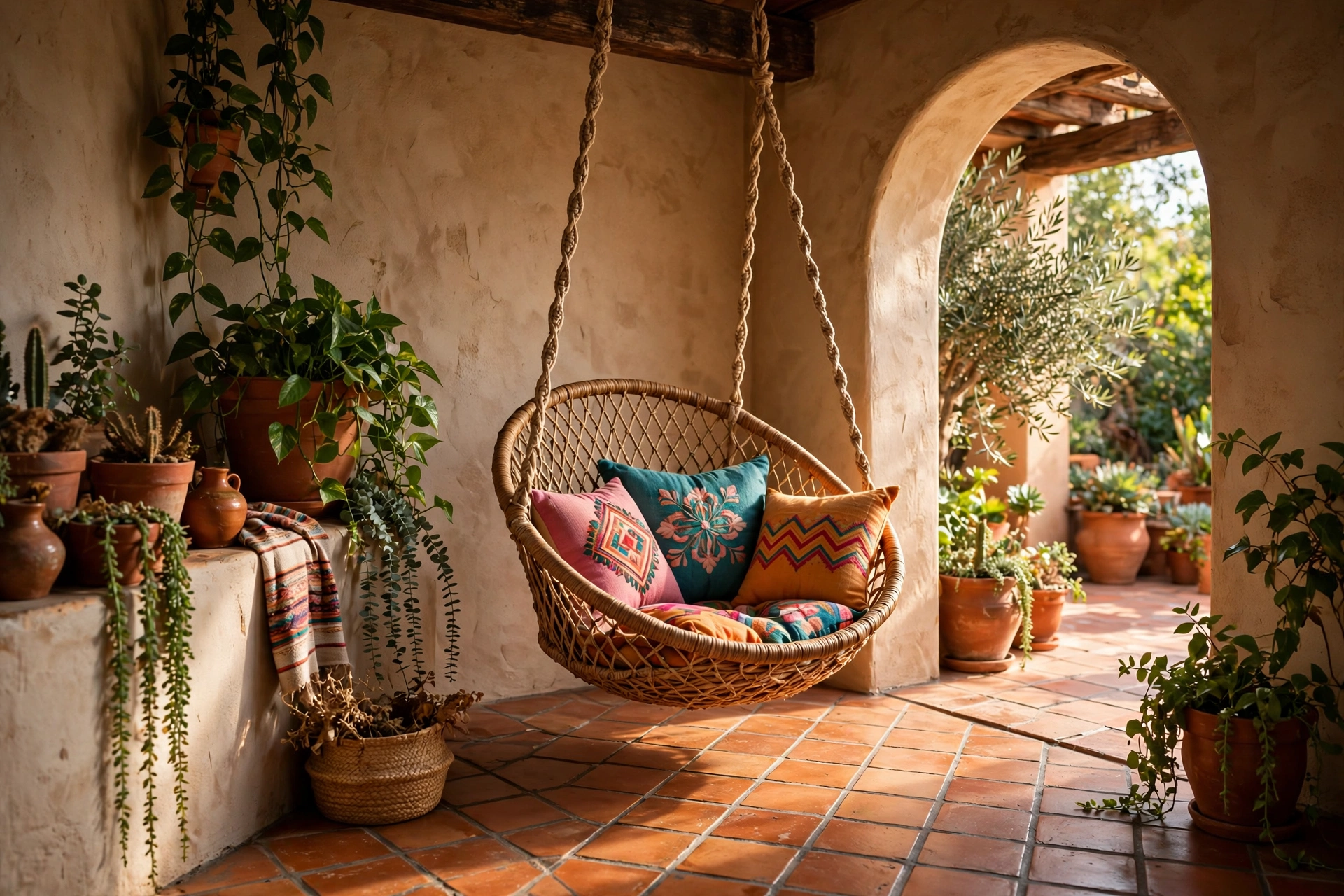
Tin star lanterns, with their punched metal patterns that cast beautiful shadows, are a magical lighting idea for Mexican decor. Hang them on a patio, in a living room, or in a bedroom, where their warm glow creates a cozy, festive atmosphere. When lit, the punched stars and patterns project onto walls and ceilings, turning ordinary light into art. Use real candles for a traditional feel, or battery-operated candles for safety and convenience. Group several lanterns at different heights for a dramatic effect, or use a single large lantern as a centerpiece. Tin lanterns pair beautifully with terracotta, wood, and woven textures, and they are especially lovely for evening gatherings outdoors.
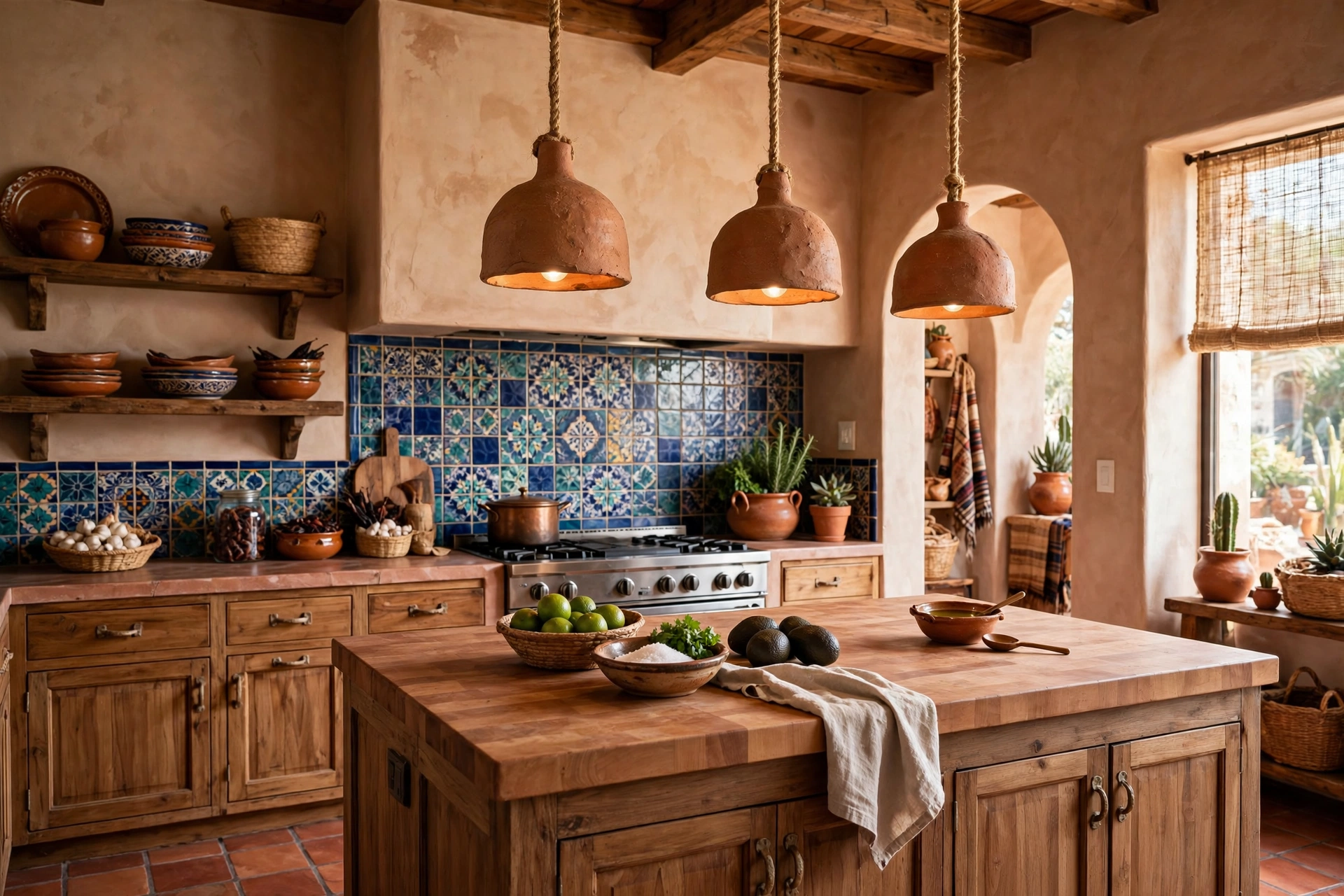
28. Clay Pendant Lights
Clay pendant lights bring warm, earthy light to a kitchen, dining room, or entryway. Made from terracotta or painted clay, these pendants have a handmade feel that complements Mexican decor perfectly. Hang a single large pendant over a kitchen island, or a row of smaller pendants over a dining table or bar. The warm clay tones pair well with wood, iron, and colorful tiles, and the light they cast is soft and inviting. Choose a natural terracotta finish for a rustic look, or a painted clay pendant in turquoise or yellow for a pop of color. Clay pendants are a functional art piece, and they add character to a room even when the lights are off.
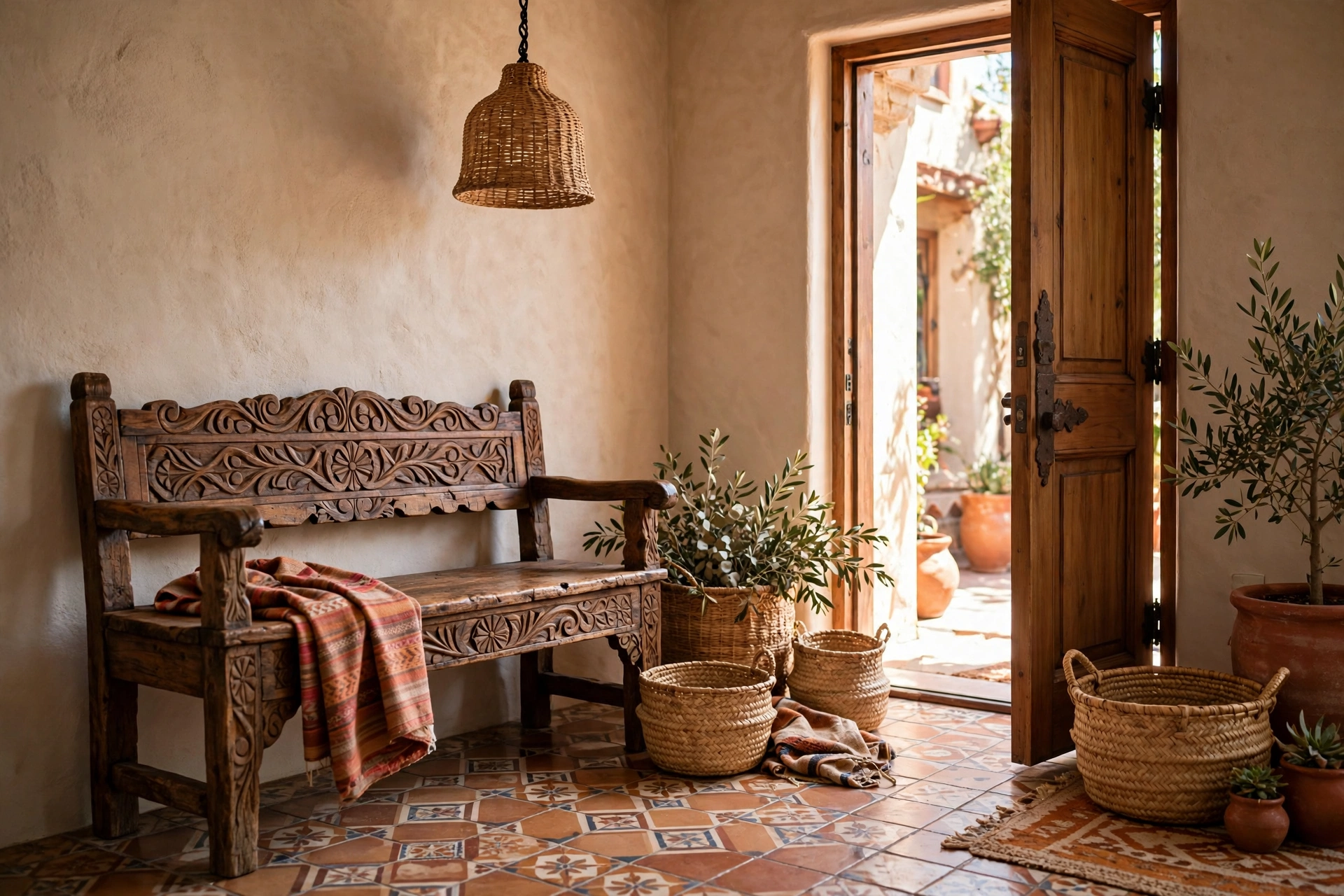
29. Rustic Entry Bench
A rustic entry bench is a practical and welcoming addition to a Mexican-inspired home. Choose a bench made from reclaimed wood, with a sturdy, handcrafted feel, and add a colorful cushion or serape throw for comfort. An entry bench provides a place to sit while putting on shoes, a spot to set bags and keys, and a surface for decorative items like a clay vase or a woven basket. Pair it with a wall hook for hats and bags, a mirror, and a small rug to create a complete entryway. A rustic bench works well in a hallway, mudroom, or covered porch, where its natural wood tones and simple design set a warm tone for the rest of the home.
30. Cantina Bar Cart
A cantina bar cart is a fun, festive addition to a Mexican-inspired living or dining room. Choose a cart with a rustic wood or wrought iron frame, and stock it with colorful glasses, a pitcher, a bottle of tequila or mezcal for guests, and a few limes. Add a serape runner, a small plant, and a set of cocktail tools for a complete look. A bar cart is also practical: it can be wheeled to the patio for outdoor gatherings, or parked in a corner as a decorative display. Keep the styling simple and colorful, with a few well-chosen items rather than a cluttered collection. A cantina bar cart invites celebration and makes everyday evenings feel a little more special.
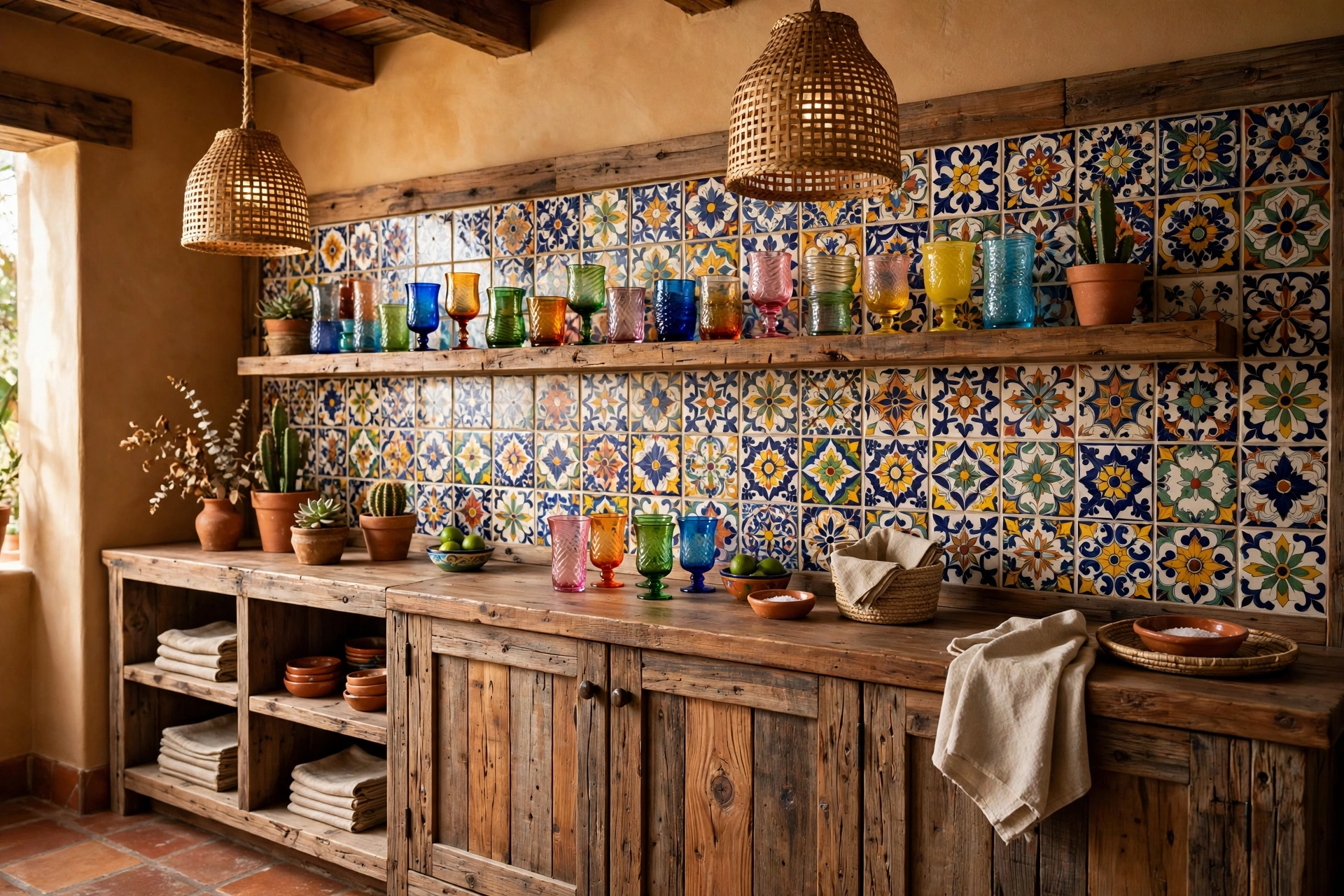
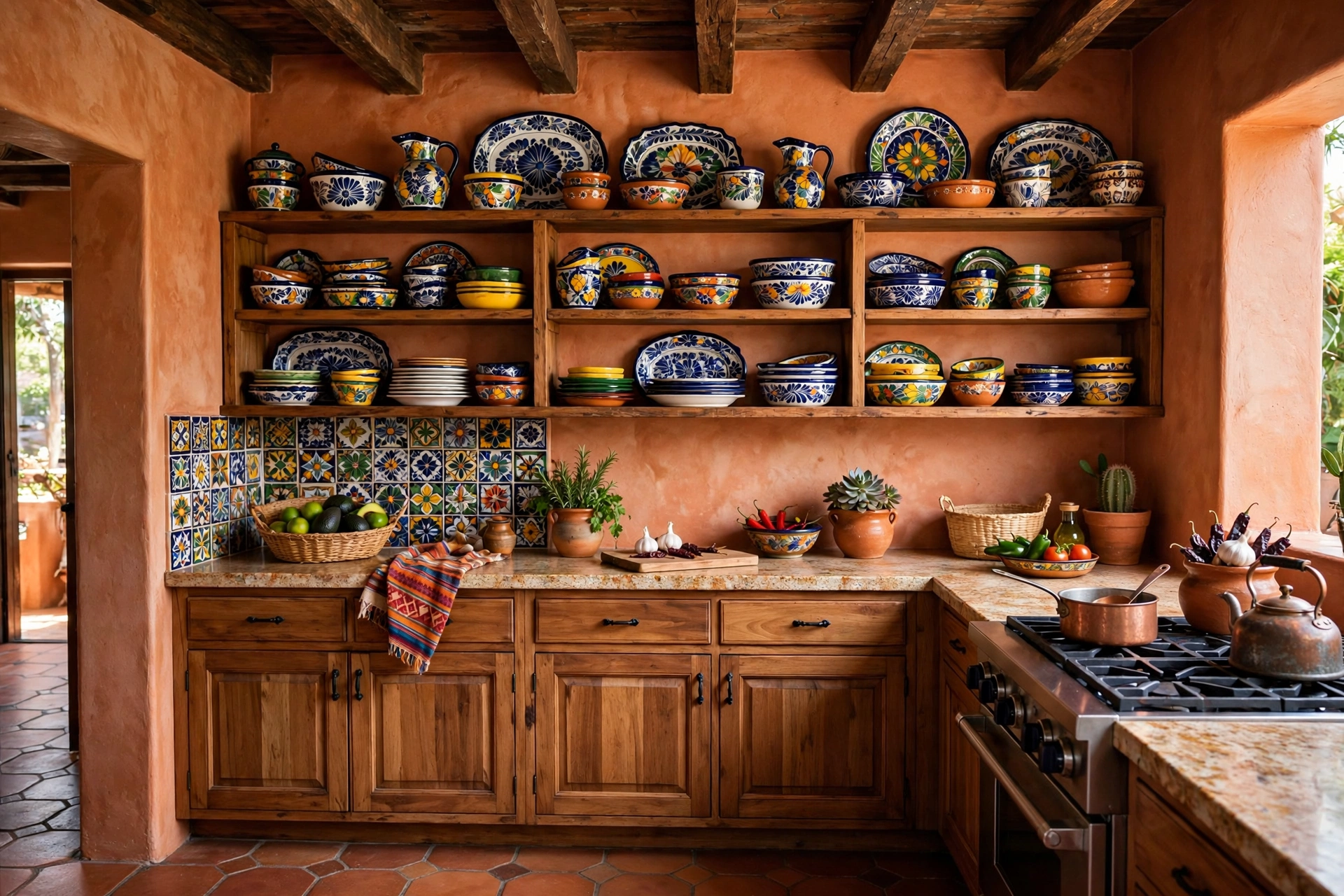
31. Open Kitchen Shelving
Open kitchen shelving is a perfect way to display Mexican pottery, glassware, and cookbooks. Replace upper cabinets with simple wooden shelves, and arrange Talavera plates, colorful bowls, and hand-blown glasses where they can be seen and used daily. Open shelves make a kitchen feel airy and inviting, and they encourage you to keep only items you love and use. Keep the shelves organized by grouping similar items together and leaving some breathing room between groups. Pair open shelving with a Talavera backsplash, a wooden countertop, and a woven runner for a complete Mexican kitchen look. It is a practical change that also serves as decor.
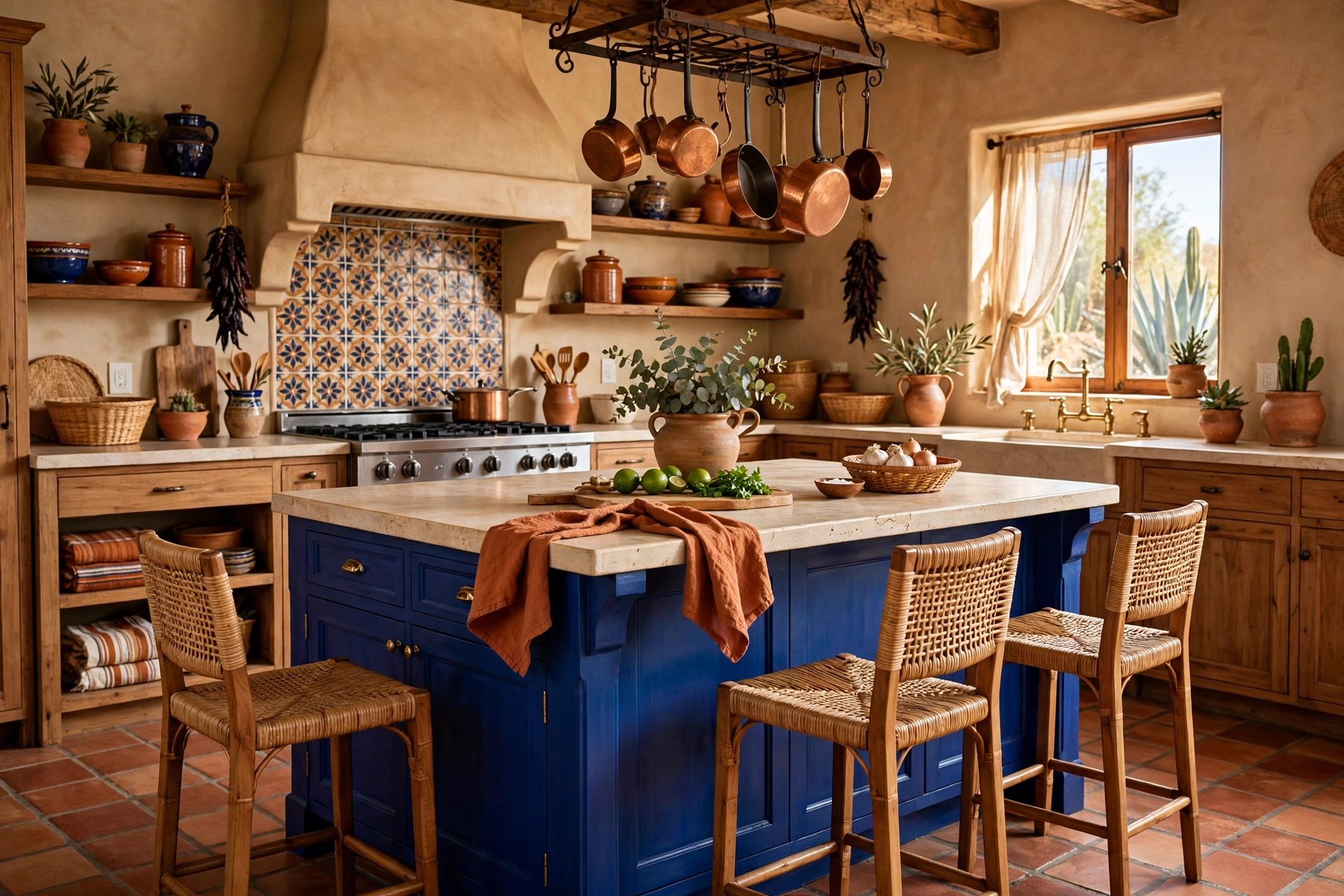
32. Cobalt Blue Kitchen Island
A cobalt blue kitchen island is a bold, beautiful focal point for a Mexican-inspired kitchen. Cobalt is a classic Talavera color, and it pairs beautifully with white cabinets, wood countertops, and terracotta accents. Paint an existing island cobalt, or choose a blue island when renovating, and keep the surrounding colors neutral so the island can shine. Add a wooden stool, a woven runner, and a bowl of fruit for a welcoming look. A cobalt island works especially well in a white kitchen, where it adds color without overwhelming the space. It is a statement piece that feels both traditional and fresh, and it will make your kitchen feel like a hacienda.
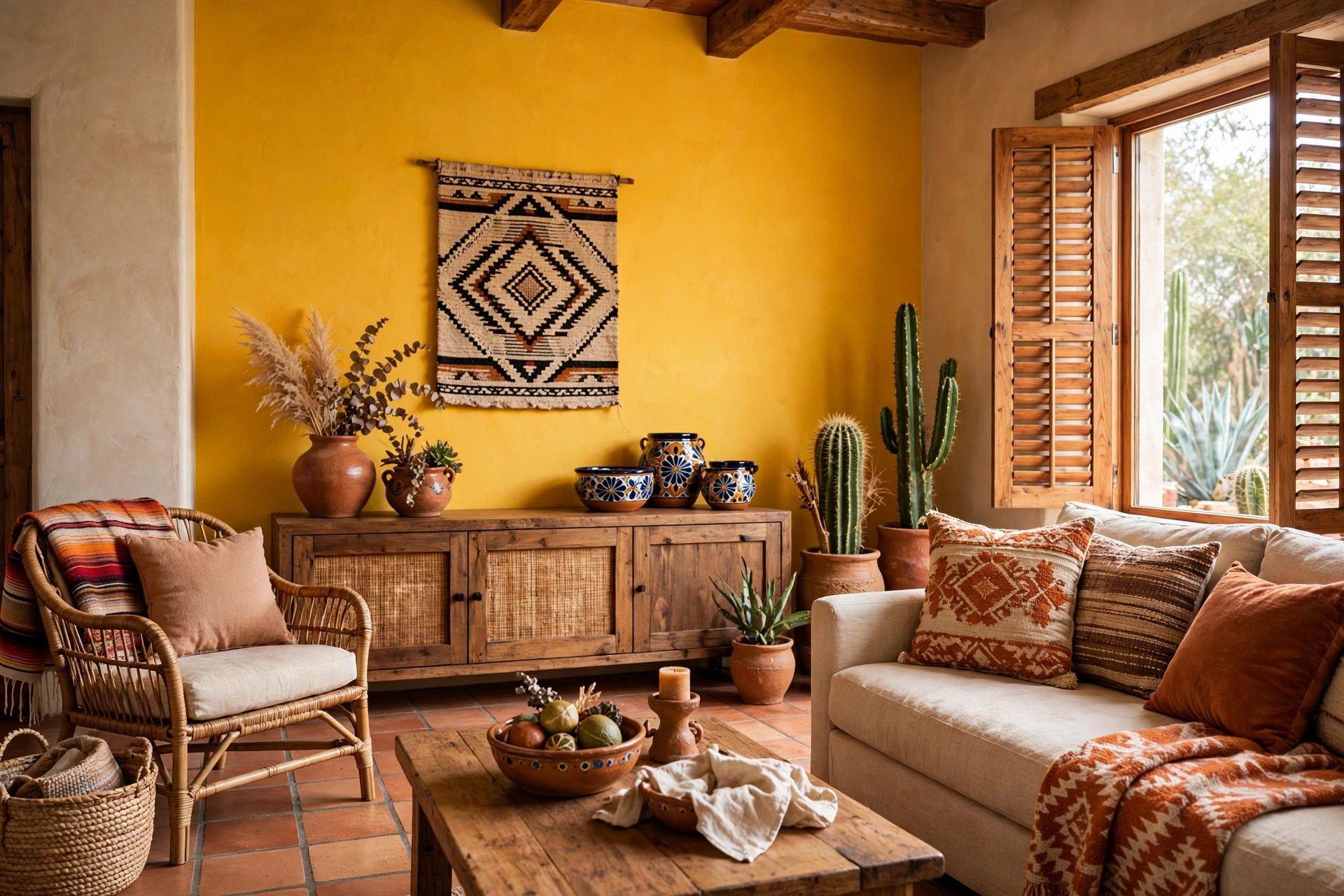
33. Marigold Accent Wall
A marigold accent wall brings the sunshine and festivity of Mexican marigolds into your home year-round. Marigold, a warm golden yellow-orange, is cheerful without being overwhelming, especially when used on a single wall behind a sofa, bed, or dining table. Pair a marigold wall with white trim, natural wood, and green plants for a balanced look, or with turquoise and pink accents for a full fiesta feeling. Marigolds are also associated with Day of the Dead, so a marigold wall can be a meaningful nod to Mexican tradition. Keep the other walls warm white or cream to let the marigold shine, and add colorful art and textiles on top for a layered, joyful room.
34. Fuchsia Accent Chair
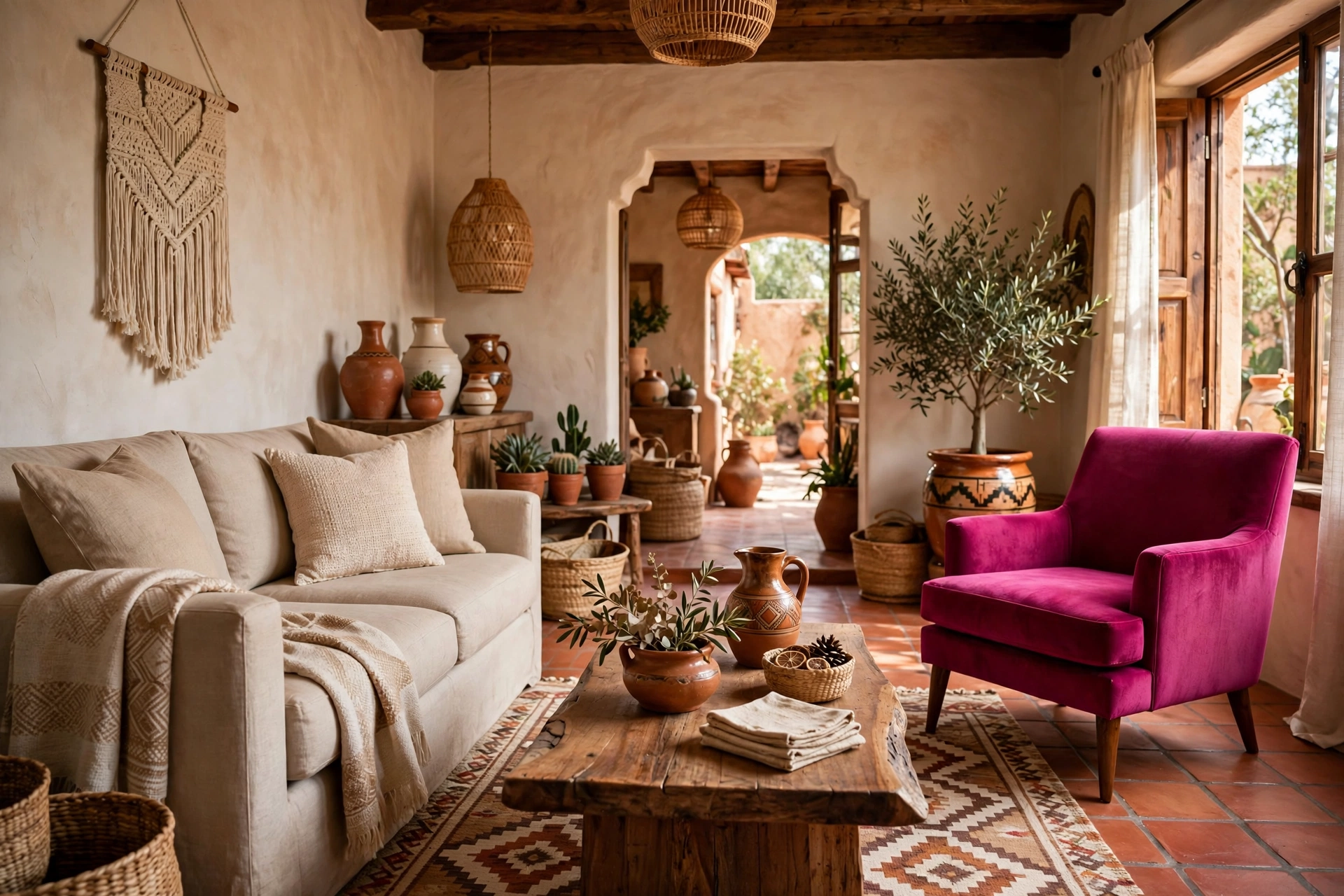
A fuchsia accent chair is a bold, joyful statement piece for a living room or bedroom. Fuchsia, a vivid pink-purple, is a classic Mexican color that appears in textiles, flowers, and art. Use a single fuchsia chair as a pop of color in a neutral room, pairing it with a simple side table, a plant, and a neutral rug so the chair can stand out. A fuchsia chair works especially well with white walls, wood floors, and a few colorful pillows in matching hues. If a full fuchsia chair feels too bold, try a fuchsia pillow or throw on a neutral chair for a smaller dose of color. Either way, fuchsia adds energy, warmth, and a sense of celebration to any space.
35. Terracotta Fireplace Surround
A terracotta fireplace surround turns a living room fireplace into a warm, hacienda-style focal point. Use terracotta tiles, plaster, or stone in warm earth tones to frame the firebox, and pair it with a simple wooden mantel for display. A terracotta surround looks beautiful with a wrought iron screen, a stack of firewood, and a few candles or pottery pieces on the mantel. It also pairs well with Saltillo floors, wood beams, and woven rugs for a cohesive, rustic look. If you do not have a fireplace, create a similar effect with a terracotta-tiled accent wall or a decorative fireplace surround as a focal point. The warm, earthy tones make any room feel cozier and more inviting.
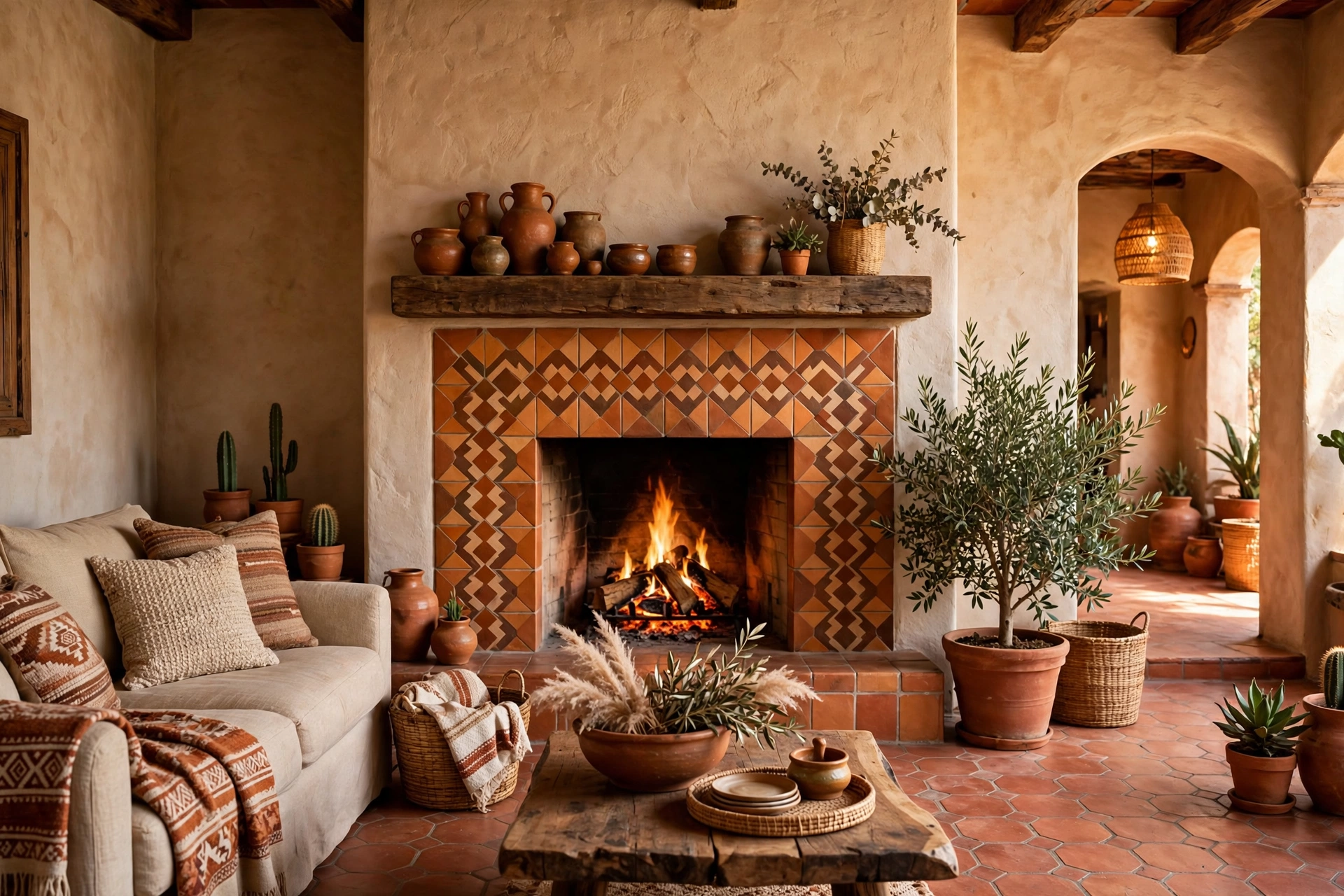
36. Courtyard Fountain
A courtyard fountain is a classic Mexican outdoor feature that adds sound, movement, and tranquility to a patio or garden. A small, tiled fountain with a gentle trickle of water creates a peaceful atmosphere and masks street noise, making outdoor spaces feel like a private retreat. Choose a fountain with Talavera tiles for a colorful look, or a simple terracotta fountain for a more rustic feel. Surround it with plants, a bench, and a few clay pots to create a complete courtyard. Even a small tabletop fountain can bring the same calming effect to a balcony or indoor entryway. A fountain is a sensory delight, and it makes outdoor living feel luxurious.
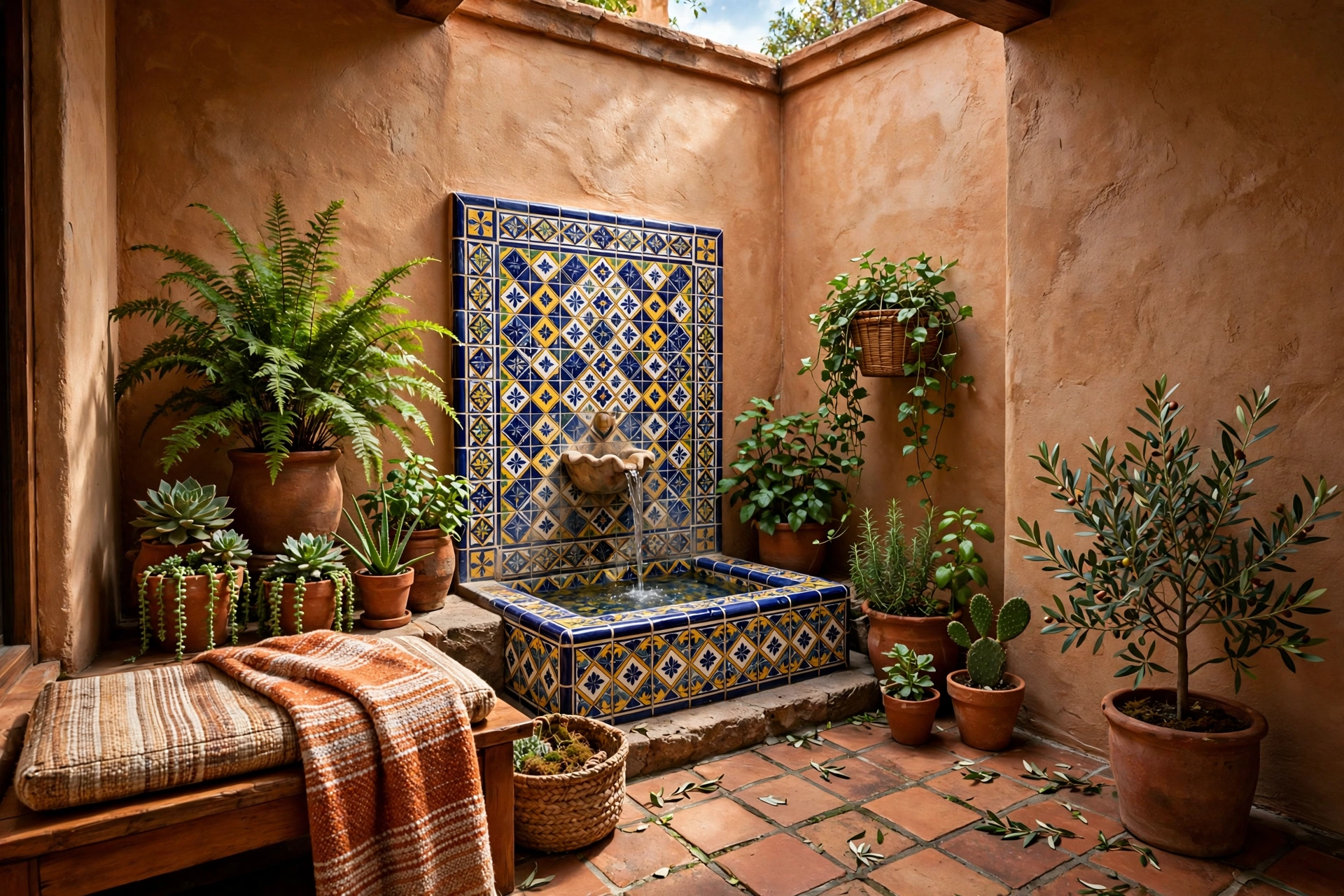
37. Tile Tabletop
A tile tabletop is a durable, colorful addition to a Mexican-inspired patio, kitchen, or dining room. Use Talavera or patterned tiles to create a mosaic top on a wooden or iron table base, or buy a ready-made tile table for a similar effect. A tile tabletop is easy to clean, resistant to heat and spills, and beautiful to look at, making it ideal for outdoor dining or busy family meals. Pair it with simple chairs, a woven placemat, and colorful glasses for a complete setting. For a DIY project, tile a small side table or plant stand first to practice the technique. A tile tabletop adds artistry to everyday furniture, and it is a conversation piece in any room.
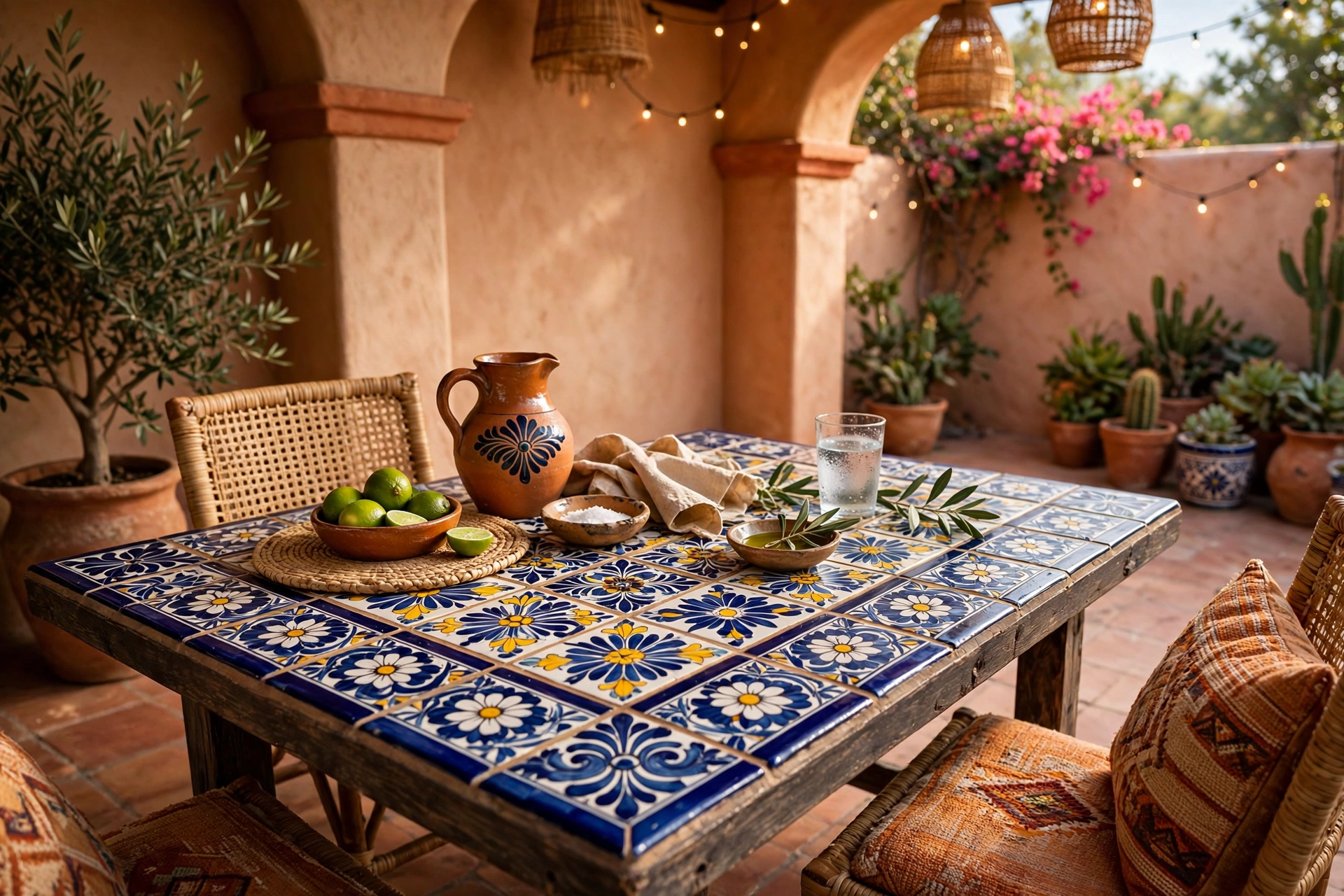
38. Basket Storage Wall
A basket storage wall is a practical and beautiful way to add Mexican texture to a home. Hang woven baskets in various sizes and patterns on a wall to create a decorative display that also provides storage. Use baskets for hats, scarves, toys, or kitchen items, or simply display them as art. A basket wall works well in an entryway, hallway, or living room, where its natural fibers add warmth and texture. Choose baskets in natural tones for a calm look, or mix in a few colorful woven baskets for a playful accent. Pair a basket wall with wood furniture, terracotta pots, and a woven rug for a cohesive, earthy room. It is storage that doubles as decor, which is always a win.
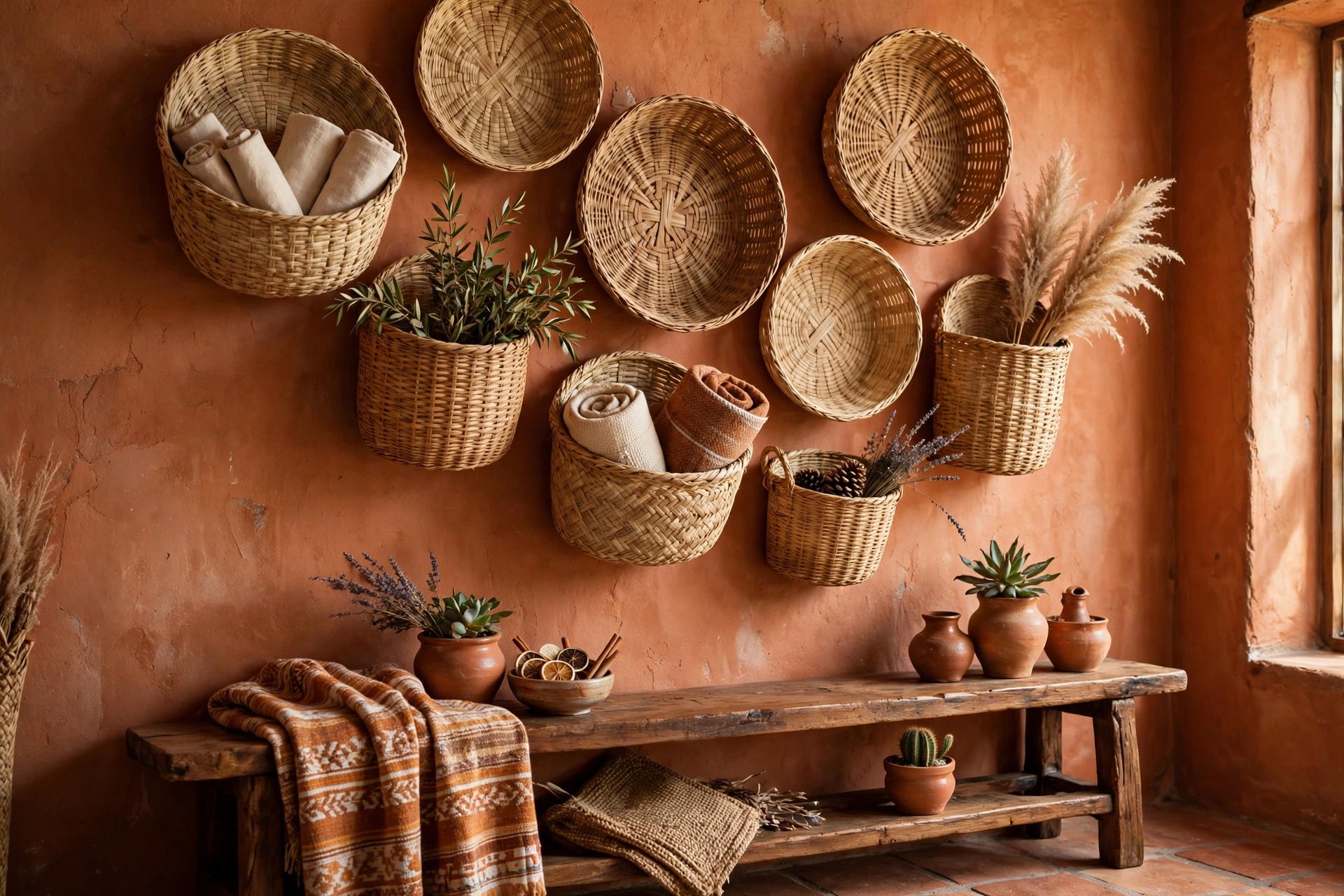
39. Fiesta Table Setting
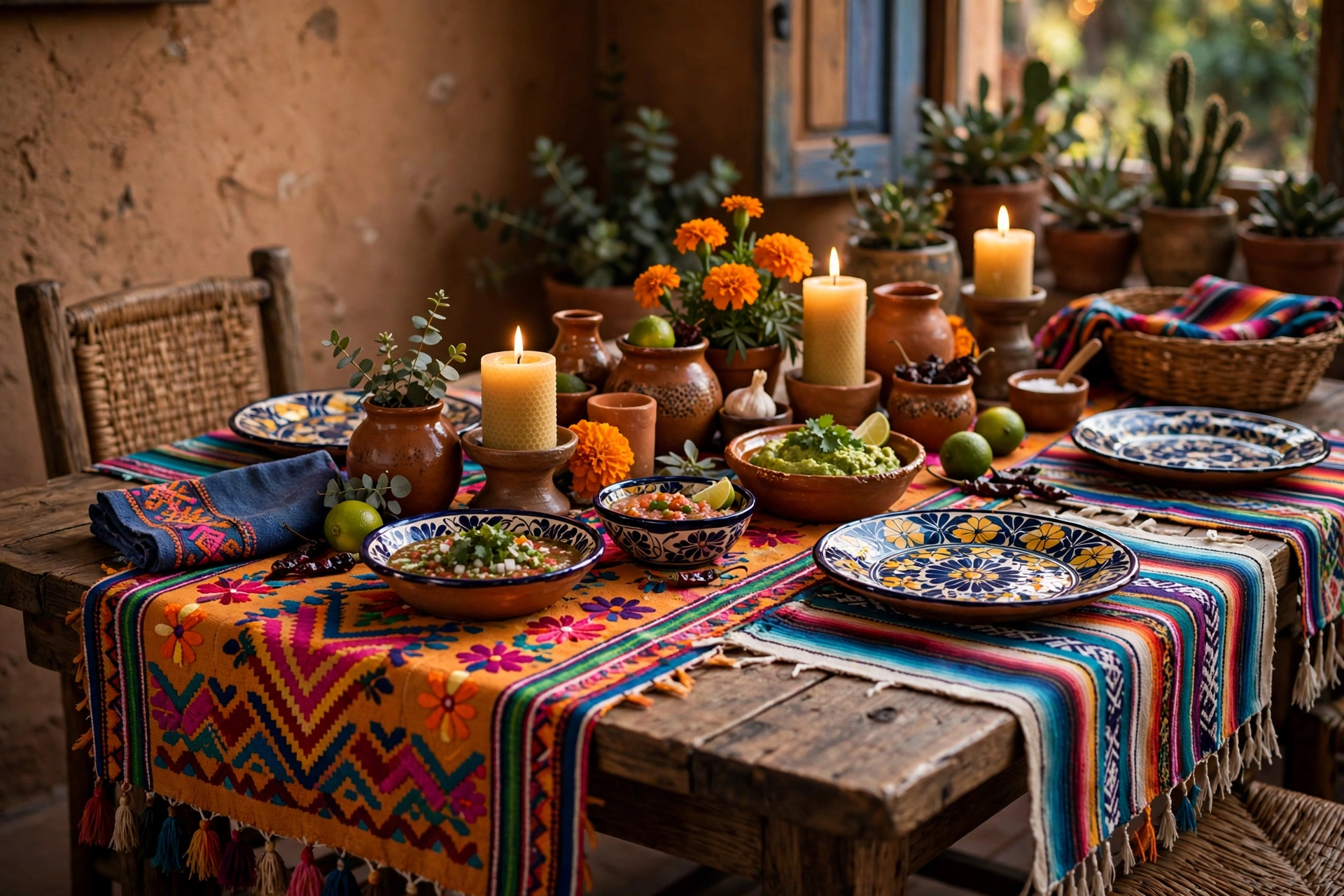
A fiesta table setting is the perfect way to celebrate Mexican style, whether for a party or an everyday meal. Start with a colorful tablecloth or serape runner, add Talavera plates, hand-blown glasses, and woven placemats, and finish with a centerpiece of marigolds, candles, or a clay vase. Use bright napkins, festive cutlery, and a few papel picado accents for a party feeling. A fiesta table does not need to be formal: the joy is in the mix of colors, patterns, and handmade items. Even a simple weeknight dinner feels special with a fiesta setting. It is a reminder that Mexican decor is not just about how a home looks, but about how it brings people together.
How to Mix Mexican Decor Without Overdoing It
Mexican decor is joyful, but the best rooms balance color with calm. Start with a neutral base, such as warm white walls, wood floors, and a simple sofa, then add color in layers. Choose one hero piece, like a Talavera backsplash, a colorful rug, or a bold accent wall, and let smaller accents support it rather than compete with it.
Repeat one or two colors throughout the room to create cohesion. If your rug has turquoise and terracotta, echo those colors in pillows, art, and pottery, and keep other colors to a minimum. Mix textures, such as smooth ceramic, rough wood, soft wool, and cool iron, to add depth without adding more color. Finally, leave some breathing room: not every surface needs a pattern, and a plain wall or empty shelf can make the colorful pieces stand out even more.
Frequently Asked Questions
What is Mexican home decor?
Mexican home decor is a warm, colorful style inspired by Mexico’s crafts, colors, and traditions. It features terracotta, Talavera tiles, woven textiles like serapes and Otomi embroidery, carved wood, wrought iron, and handcrafted pottery and glassware. The style is joyful, layered, and personal, with an emphasis on handmade items and natural materials.
How can I add Mexican decor to a modern home?
Start with a few accents rather than a full makeover. Add a serape throw, Otomi pillows, a Zapotec rug, or a Talavera vase to a neutral modern room. Choose one bold piece, like a colorful accent wall or a patterned tile backsplash, and keep the rest of the room simple so the Mexican elements can shine without overwhelming the modern lines.
What colors work best in Mexican decor?
Classic Mexican colors include terracotta, cobalt blue, turquoise, marigold yellow, fuchsia pink, and warm white. These colors come from natural dyes, tiles, and flowers, and they work beautifully together. For a balanced room, choose two or three main colors and repeat them in textiles, art, and pottery, with warm neutrals as a base.
Is Mexican decor expensive?
It does not have to be. Many Mexican decor ideas are affordable, such as papel picado banners, serape throws, clay pots, and painted doors. Handcrafted items like Zapotec rugs or Talavera pottery can be an investment, but you can start small with one or two pieces and build your collection over time. Look for fair-trade and artisan-made items when possible to support the makers.
Can I use Mexican decor outdoors?
Yes, Mexican decor is perfect for outdoor spaces. Use terracotta pots, Saltillo tiles, wrought iron furniture, colorful textiles, and a courtyard fountain to create a patio or garden that feels like a hacienda courtyard. Choose weather-resistant materials for outdoor use, and bring delicate textiles inside during rain or harsh weather to keep them looking their best.
How do I mix Mexican decor with other styles?
Mexican decor mixes well with bohemian, rustic, Southwestern, and Mediterranean styles, which share its love of natural materials and warm colors. To mix styles, keep a common thread, such as wood tones, a color palette, or a texture, and let Mexican pieces add color and personality. Avoid mixing too many bold patterns at once, and use neutral furniture as a base to tie different styles together.
Conclusion
Mexican home decor is about warmth, color, and craftsmanship. Whether you start with a Talavera backsplash, a serape throw, or a courtyard fountain, each piece adds a story and a sense of joy to your home. The ideas in this guide are meant to inspire you, not to be followed all at once. Choose the ones that speak to you, mix them with your own style, and create a home that feels welcoming, personal, and beautifully handcrafted.
Start small, have fun with color, and let your home reflect the warmth of Mexico. Your space will thank you, and so will everyone who walks through your door.
For more inspiration, check out our guides to moroccan living room ideas, farmhouse living room ideas, and boho living room ideas.