17 High School Classroom Decor Ideas That Feel Stylish and Grown-Up
High school classroom decor works best when it feels inviting without looking childish. Think calm colors, purposeful displays, practical storage, a comfortable reading spot, and a little personality that reflects the subject you teach. Students spend a meaningful part of their day in these rooms, so organization and usability matter just as much as appearance.
The 17 ideas below are designed for real teaching spaces, including rooms with limited budgets, strict school policies, and shared classrooms. Treat the photos as visual inspiration, then adjust furniture placement, lighting, and displays to match your room’s size and your school’s safety rules.
1. Choose a Calm, Mature Color Palette
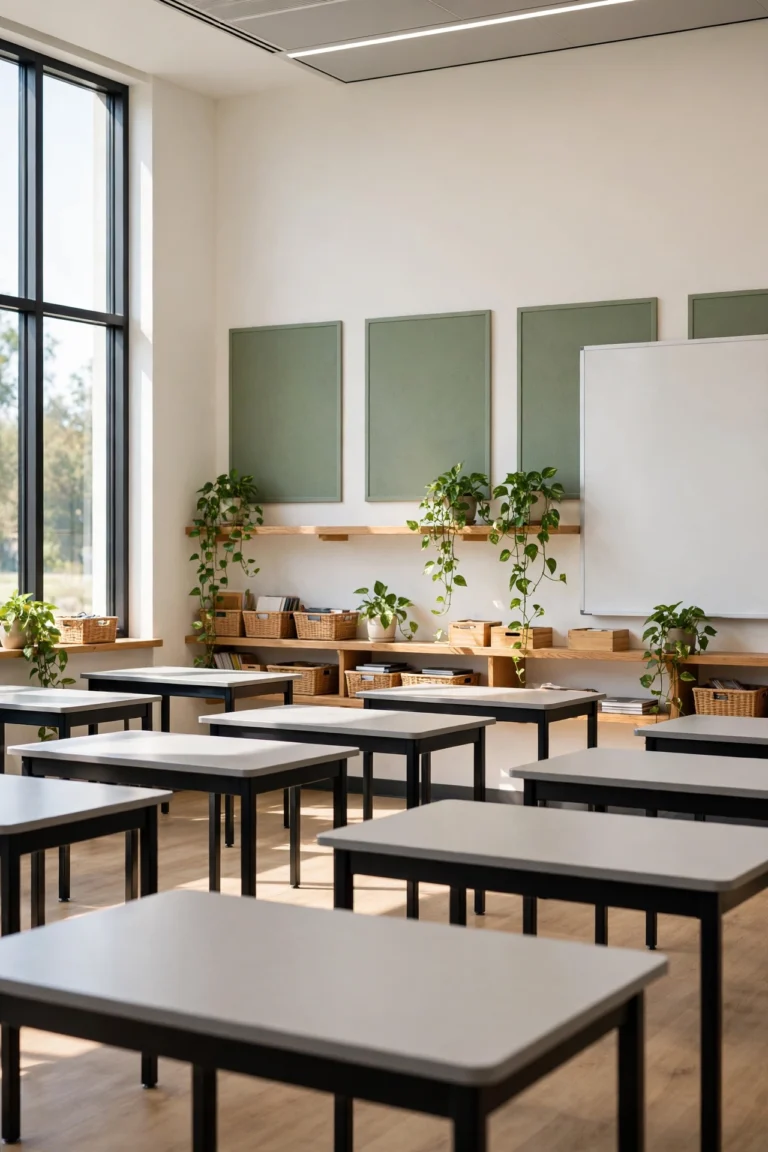
Build the room around a restrained palette such as warm white, muted sage, navy, charcoal, or soft tan. Choose one main color and one accent instead of competing with every existing wall and piece of furniture. This gives displays and student work enough visual breathing room.
You do not need to repaint anything. Matching paper borders, neutral storage bins, plain chair cushions, and consistent labels can create a cohesive look quickly. Keep essential safety signage visible and readable.
2. Create an Intentional Front-of-Room Focal Wall
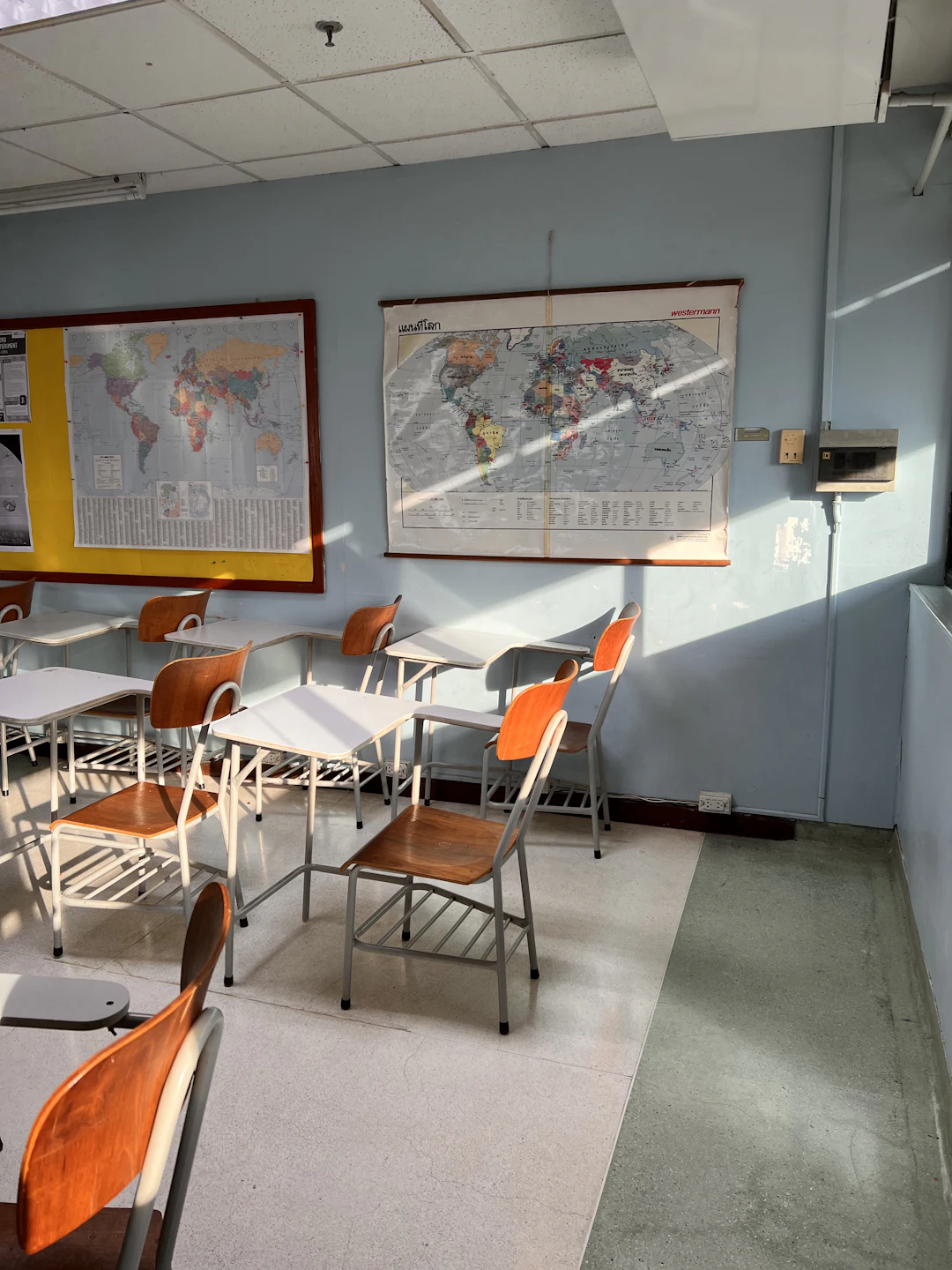
The area behind your whiteboard or teaching screen should highlight what students need to see: today’s agenda, an objective, the date, and a place for reminders. Remove old layers of posters so the front wall looks deliberate instead of crowded.
Give every item a job. Use matching frames or borders for permanent information, then reserve a small section for information that changes weekly. A simple focal wall can make even an older room feel finished.
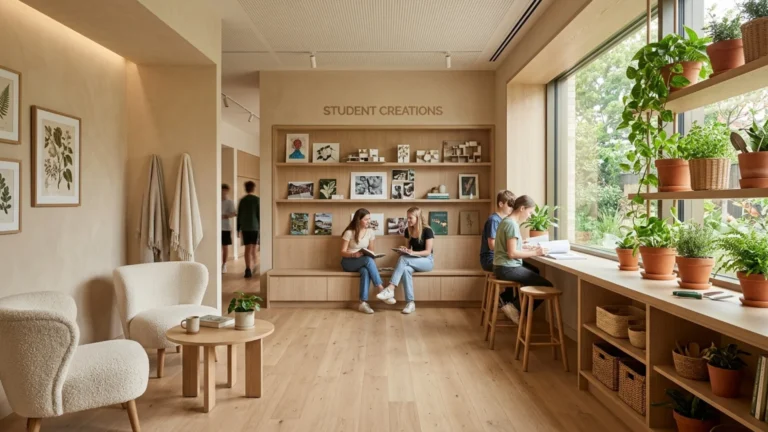
3. Build a Rotating Student Work Gallery

Give students a visible place to celebrate their best writing, artwork, research, diagrams, or design projects. Black backing paper, inexpensive clipboards, or magnetic frames can give the display a polished gallery feel.
Rotate work regularly and ask permission before showing names or photographs. Highlight a range of strengths, not only top grades. This is one of the easiest ways to make the classroom reflect the people using it.
More inspiration: 19 Teaching Classroom Decor Ideas for a Calm, Inspiring Space
4. Set Up a Flexible Collaboration Corner

Move a small set of desks into a discussion cluster or create one group-work station if space allows. A simple table and four chairs can support conferencing, project meetings, peer feedback, or extra help without redesigning the entire room.
Keep walkways wide enough for safe movement and visibility. If desks must remain in rows, use lightweight supplies and clear task cards so collaboration can happen without major furniture changes.
5. Soften the Space With Thoughtful Lighting

Natural daylight can make a classroom feel less institutional. Keep windows unobstructed, avoid blocking exits, and use glare-reducing shades when screens are hard to see. An adjustable lamp on the teacher desk can also add warmth.
Check school rules before bringing lamps, LED strips, or extension cords. Choose approved lighting with tidy cable management; atmosphere should never come at the expense of electrical or fire safety.
6. Design a Subject-Specific Inspiration Shelf

An English teacher might display current novels and student book recommendations; a science teacher could show safe models and diagrams; a history teacher might rotate maps or timeline cards. Relevant objects give the room character while supporting the curriculum.
Use one or two compact shelves rather than filling every surface. Label items clearly and refresh them as units change, so students have a reason to look again.
7. Make Bulletin Boards Useful, Not Just Pretty
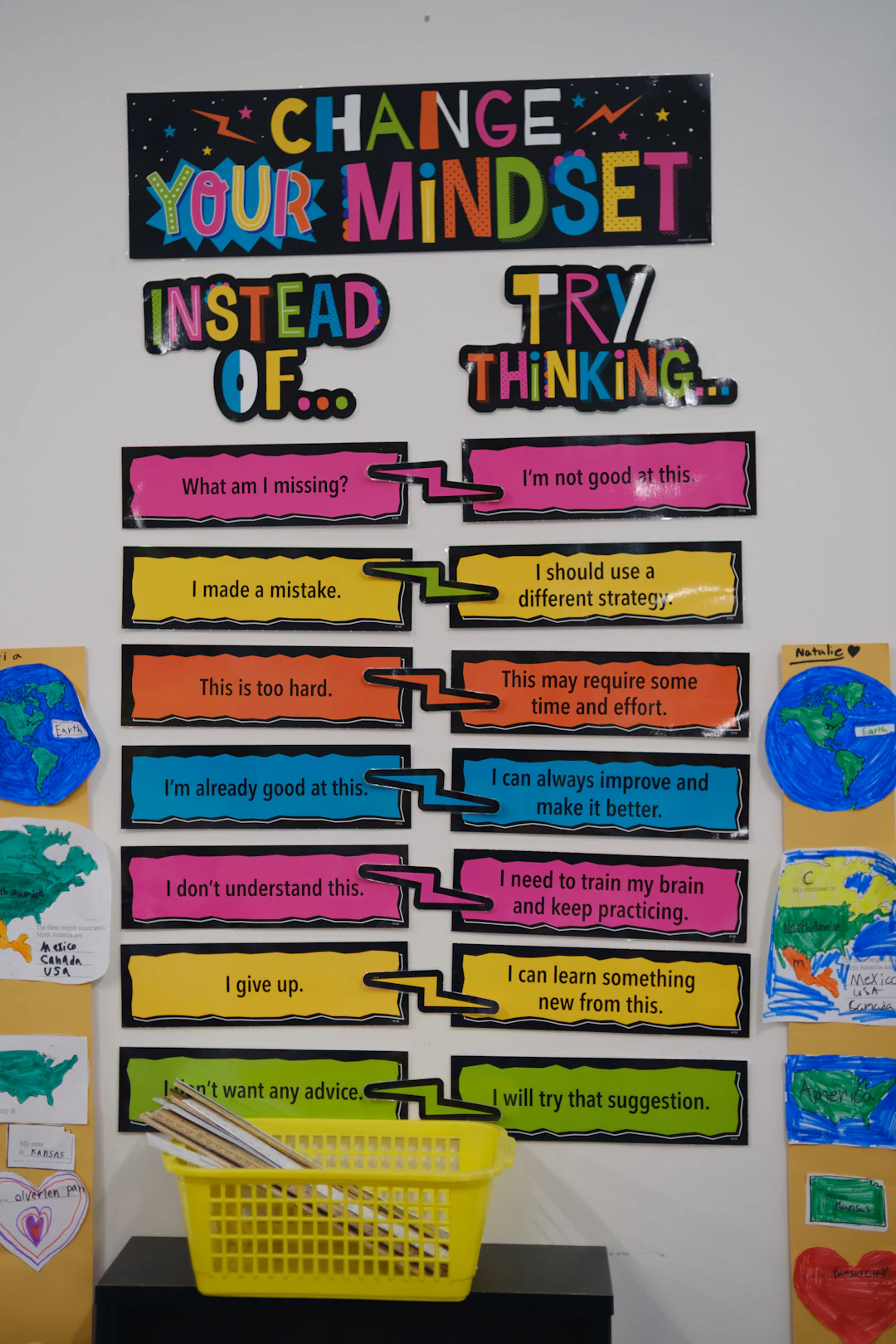
Divide display space into clear zones: classroom announcements, unit resources, student achievements, and optional encouragement. Matching border colors and readable headings make these boards easier to scan across the room.
Treat boards as living tools. Replace expired handouts and dates instead of layering new papers over old ones. A useful bulletin board earns its space.
More inspiration: 18 Gorgeous Aesthetic Classroom Decor Ideas
8. Organize Supplies With Matching Bins and Labels
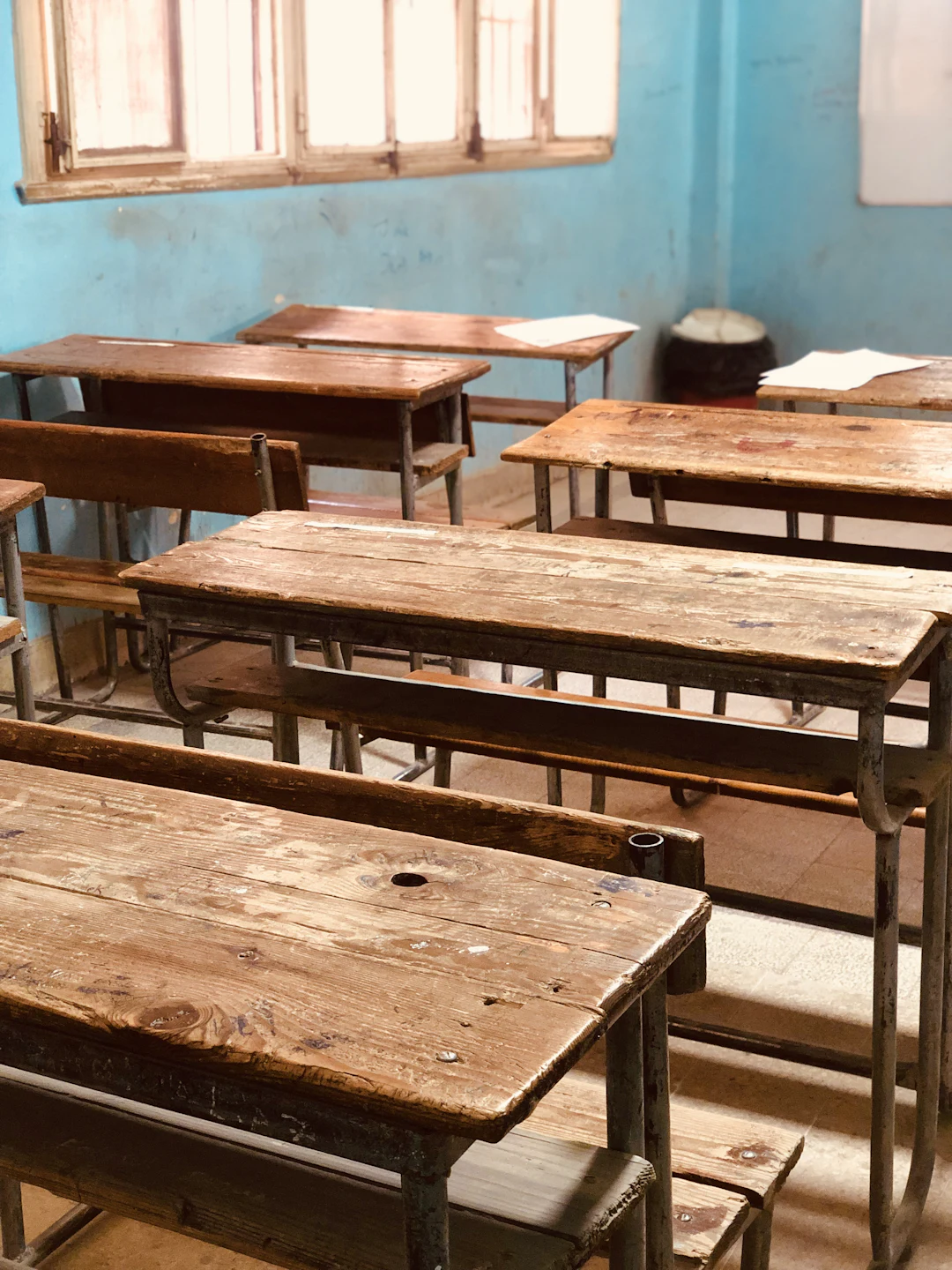
Create obvious places for extra pencils, notebooks, handouts, makeup work, and returned assignments. Uniform containers and clear labels help students locate things without interrupting the lesson.
Use labels large enough to read from a few steps away, and group supplies by purpose. Reusing containers you already own is usually more cost-effective than buying a full matching set.
9. Create a Tidy Technology Station

If students use laptops, calculators, headphones, or tablets, designate a predictable place for charging and returns. A compact shelf, numbered slots, and simple sign-out directions help cut down on clutter and missing equipment.
Follow school device policies, do not overload sockets, and keep cords out of walkways. A clean station helps the room look modern while making technology routines quicker.
10. Add a College and Career Inspiration Display
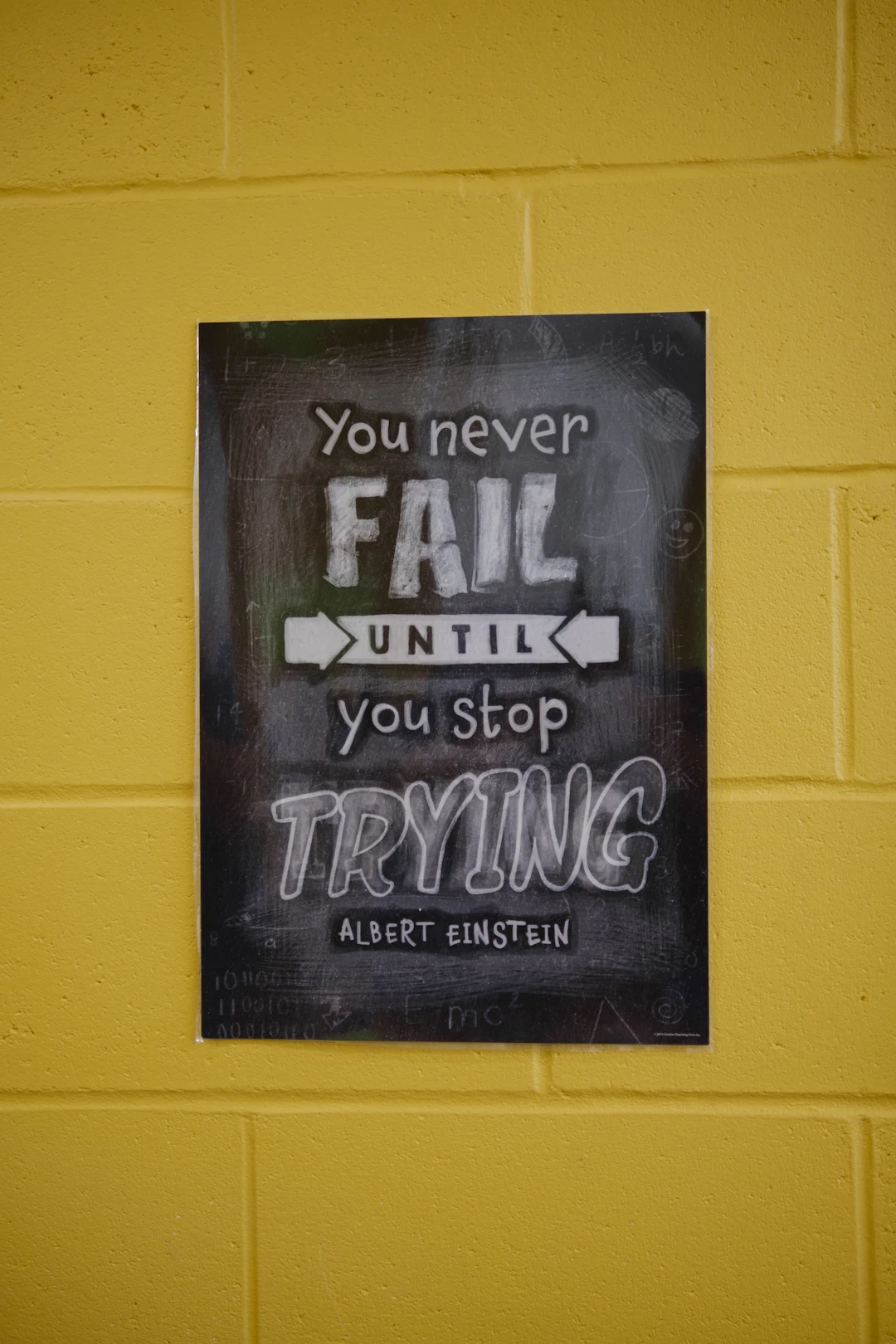
Older students often appreciate a space that connects coursework with future possibilities. Feature career pathways, apprenticeship options, local opportunities, student goals, or alumni stories. Make the display inclusive rather than assuming everyone plans to attend a four-year college.
Use concise labels and rotate featured pathways through the year. Include practical actions students can take, such as building a portfolio or exploring a program.
11. Bring In Greenery Without Cluttering Desks

One or two plants can break up hard surfaces and add softness to a room. Place them on a secure shelf, windowsill, or teacher-side table where they will not block circulation or sight lines.
Choose low-maintenance, non-toxic varieties only if approved by the school, and check allergies or plant-care responsibilities. Good-quality faux plants are a reasonable alternative in rooms with little daylight.
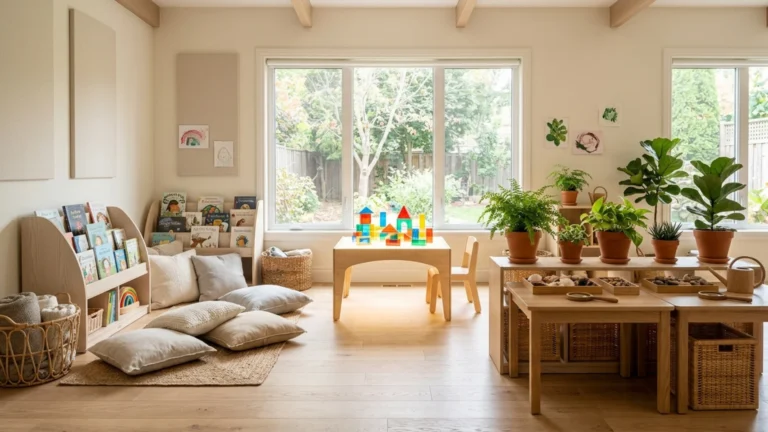
12. Make a Reading or Quiet Reflection Nook
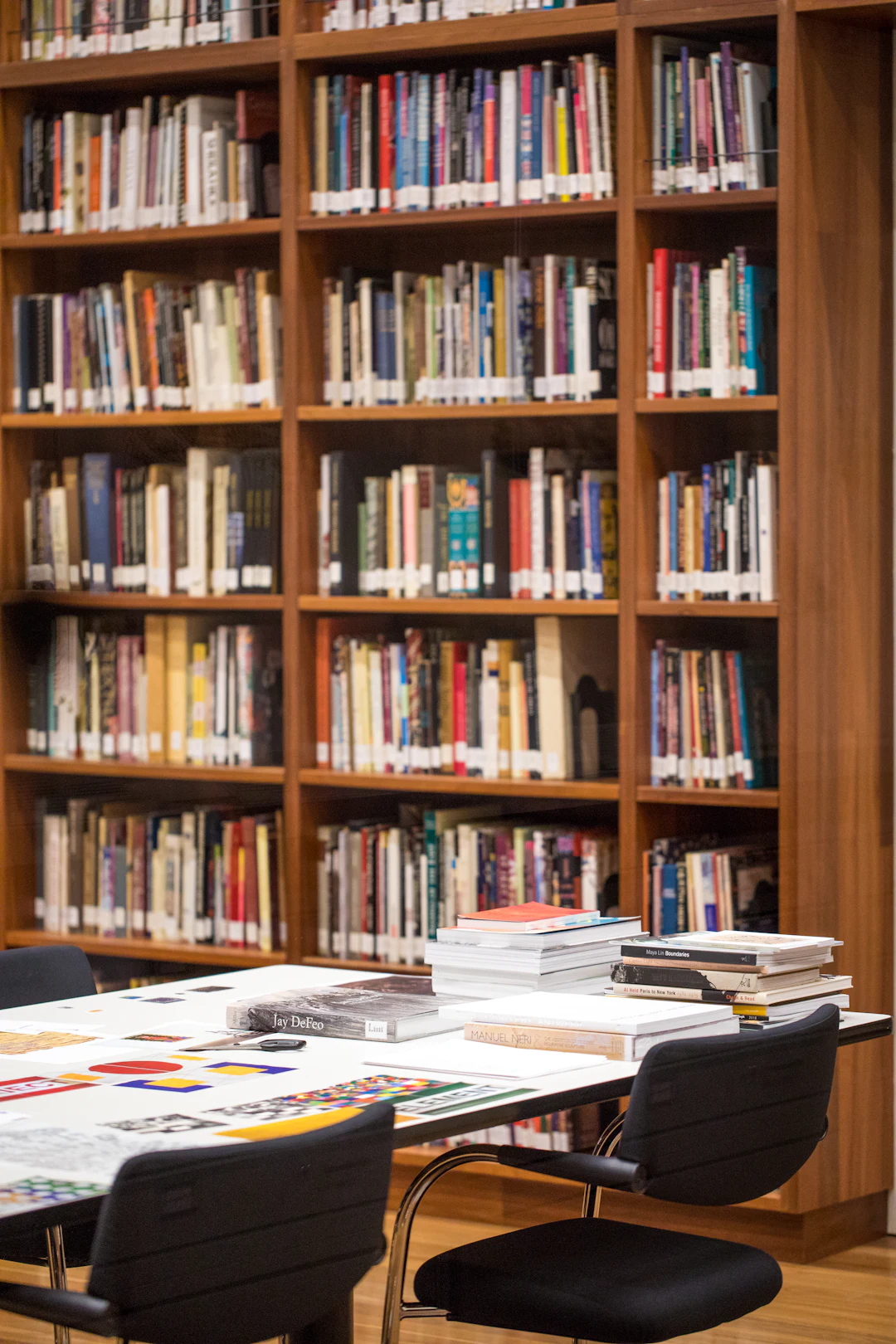
A bookshelf, one small rug where permitted, and a couple of comfortable chairs can create an inviting spot for sustained reading or independent work. Keep the arrangement age-appropriate and straightforward rather than overly themed.
If space is tight, try a single dedicated chair and a mini book display. Define when the area is available, so it supports routines instead of becoming a distraction.
More inspiration: 24 Middle School Classroom Decorating Ideas
13. Simplify the Teacher Desk

A clear teacher area sets a useful example for the rest of the room. Use a small inbox for papers, a vertical file for the current week, and a few drawers or trays for items you reach for daily.
Display only a couple of personal touches, such as a framed print or small plant. A workspace that is easy to reset at the end of the day stays attractive longer than a highly decorated one.
14. Work School Spirit Into the Design

School colors, a single mascot print, team photos, or a rotating achievement display can make students feel connected to their campus. Keep these accents contained to one corner or wall so they do not overpower the lesson space.
Consider celebrating arts, debate, volunteering, and academic accomplishments alongside sports. That creates school pride students from different interests can recognize.
15. Post Weekly Routines and Key Deadlines
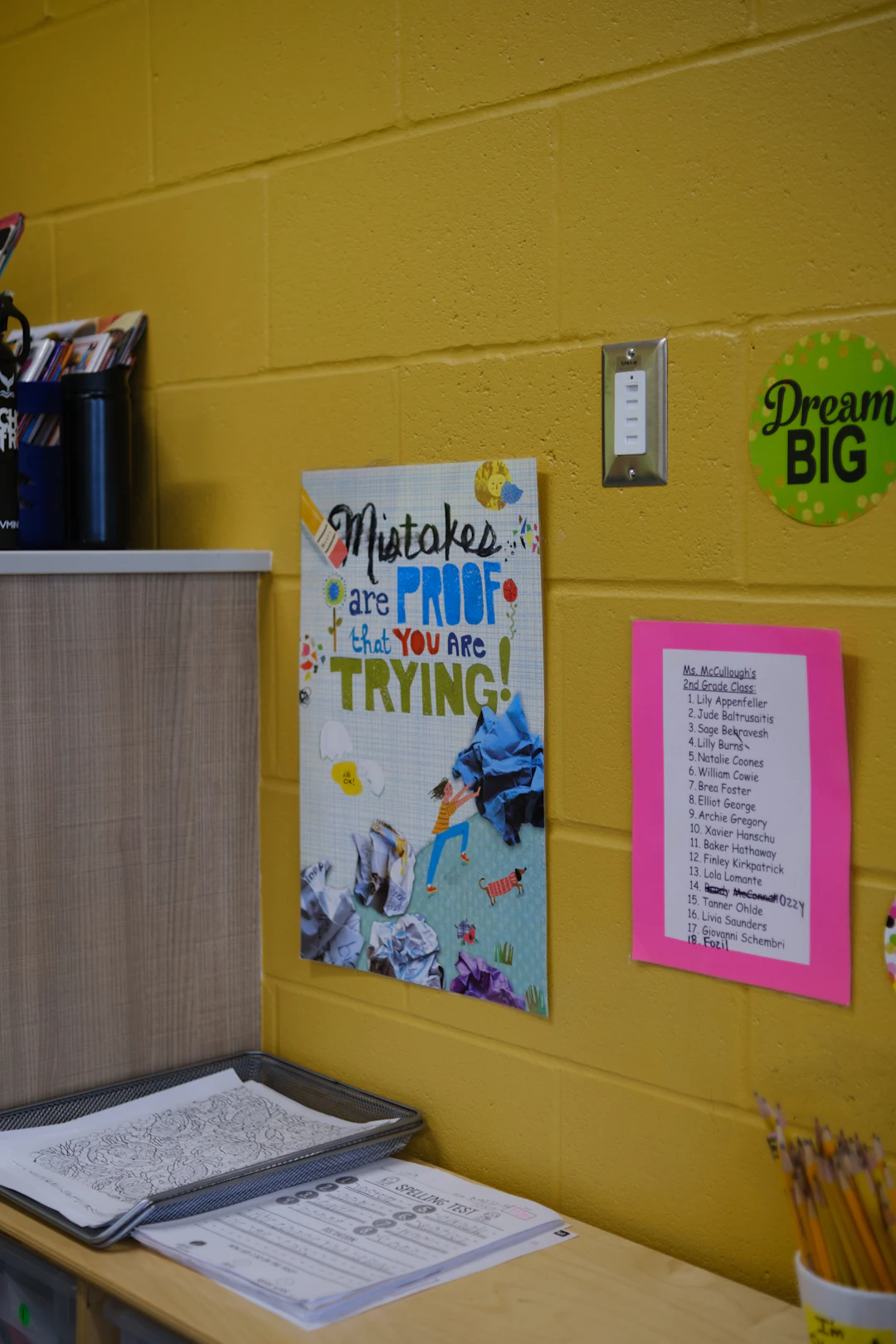
Use one visible section for the weekly plan, key dates, class procedures, and where to find missing work. A consistent design is more helpful than an elaborate sign that students stop noticing.
Choose strong text contrast, limit the number of items, and update the space at a predictable time each week. Students should be able to find essential information at a glance.
16. Layer in Soft Textures and Natural Materials

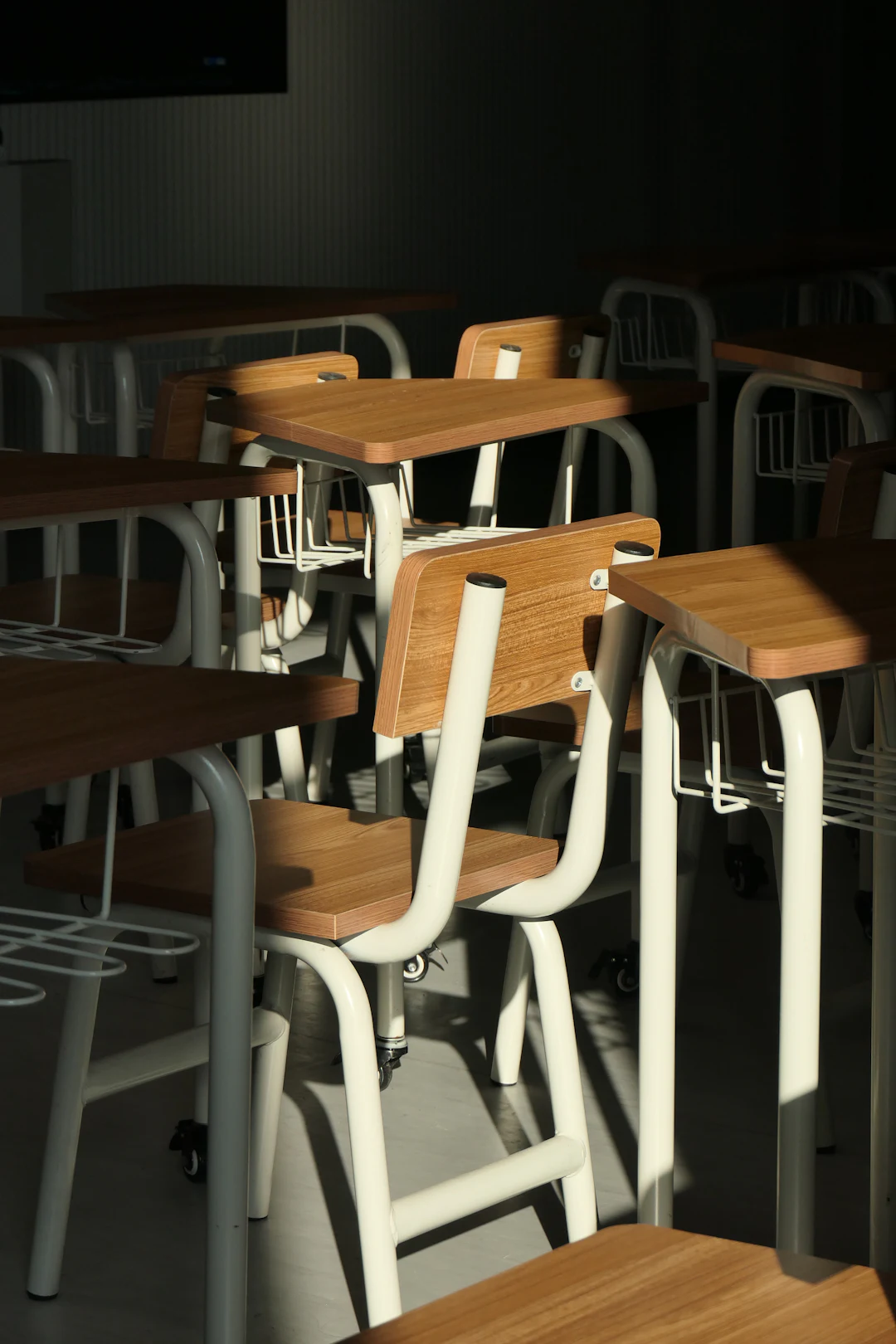
Wood-look shelves, cork-backed displays, woven baskets, and fabric-covered surfaces can make a room feel warmer. Use these details in small amounts, especially if the furniture itself cannot be changed.
Avoid hanging fabrics in places that create fire risks or cover required notices. Practical, durable materials are the best classroom decor investment because they survive everyday use.
17. Finish With One Memorable Signature Feature

A single distinctive element gives your classroom personality: a class-created mission statement, a small wall of recommended books, a topic-changing quote board, or a showcase of student questions. You do not need to cover every blank area.
Invite students to help select or design the final feature. When the room reflects shared goals and real learning, the decor feels meaningful rather than staged.
How to Decorate a High School Classroom on a Budget
Start by taking stock of what you already have. Choose a color palette, remove anything outdated, organize supplies, and create one high-impact display. Ask before painting, attaching permanent hardware, installing lighting, or changing furniture layouts. A classroom refresh does not have to involve expensive purchases; thrifted frames, reused bins, printed labels, and rotating student work can make a big difference.
Final Thoughts
The best high school classroom decor balances comfort, clarity, and academic purpose. A restrained color palette, organized supplies, student-led displays, and thoughtful subject touches can make the room feel intentional without losing its practical function. Start with the ideas that solve real problems in your room, then add a few details that make it unmistakably yours.
Image inspiration: classroom and workspace photography sourced from Unsplash and hosted in this site’s media library. Photos illustrate design concepts; they are not all photographs of the same classroom.